A well-structured security system can protect your property or your business from theft and give you the time you need to act appropriately when necessary.
"Ubisys aims to develop security systems, based on user needs, as well as ongoing technical support."
The principle for the successful operation of a security system is the proper survey of the area taking into account the wishes and requirements of the user. This way we can know, before the design, what exactly the property we want to protect requires, in such a way that it serves the interested person.
The next stage after the survey is the design of the system and its presentation to the user so that it covers both the field of security and the field of usability. The design can include more than one solutions, and with a different cost, with the final decision being up to the interested person.
In the last stage, all the materials are supplied by the importer, updated with the latest software of each company, and all the systems are installed by a certified installer.
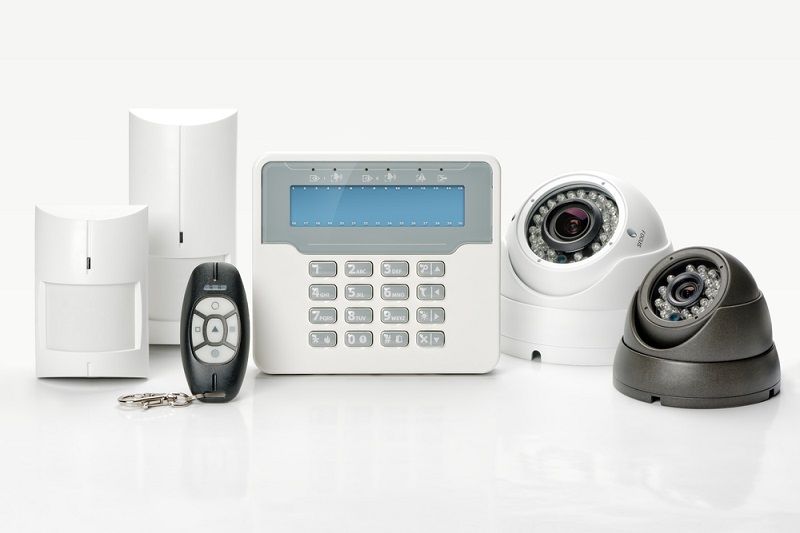
The alarm is an anti-theft system that aims firstly to repel the burglars from a possible intrusion and secondly, in a possible intrusion, to inform the interested person by sending a signal (call, sms, push notifications, etc.) as well as the non-interested people(neighboring houses, shops, passers-by, etc.) through audiovisual notification.
The main Alarm's parts are:
From €350
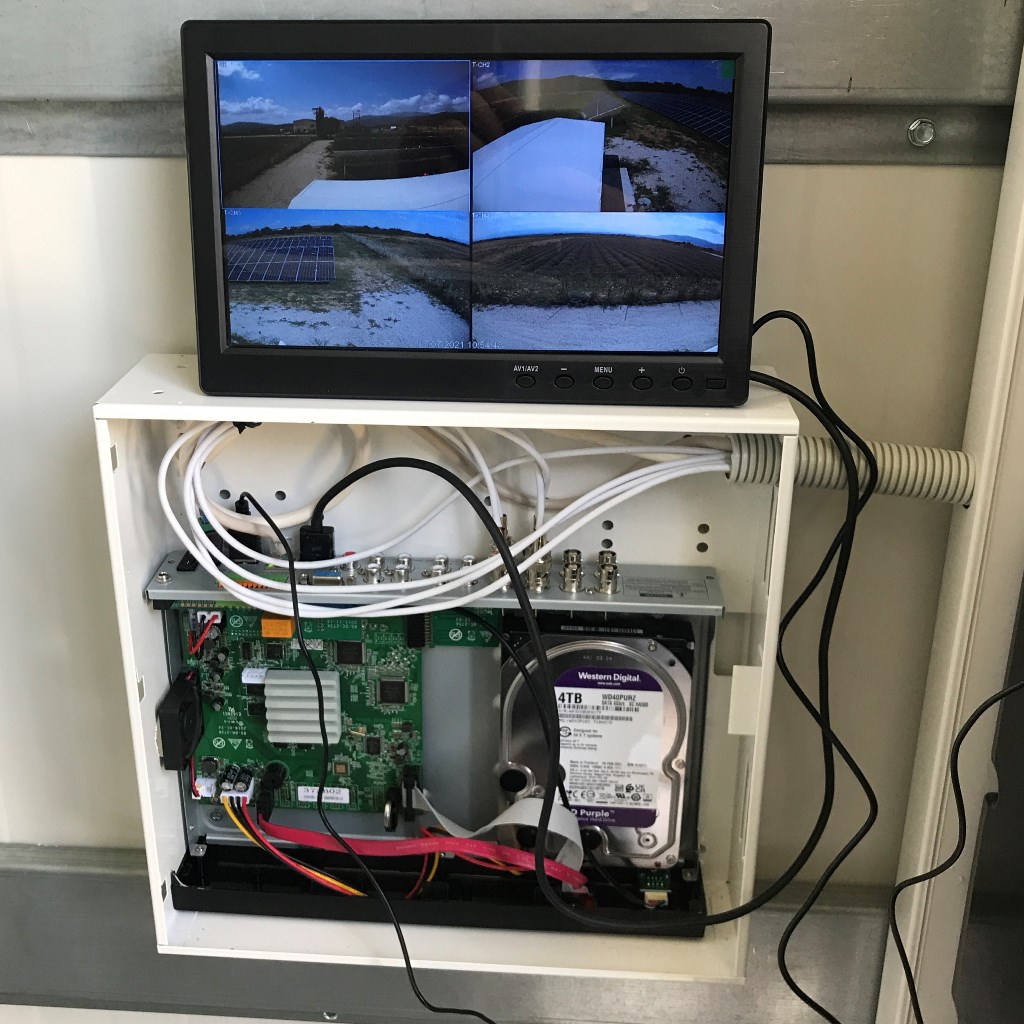
CCTV is a monitoring system that is installed at the area we want to spectate. It connects directly to the modem / router and allows us to have live streaming through our computer or our smart device as well as to search and export older data that we may need in case of theft or when deemed appropriate.
Τhe main CCTV's parts are:
From €300
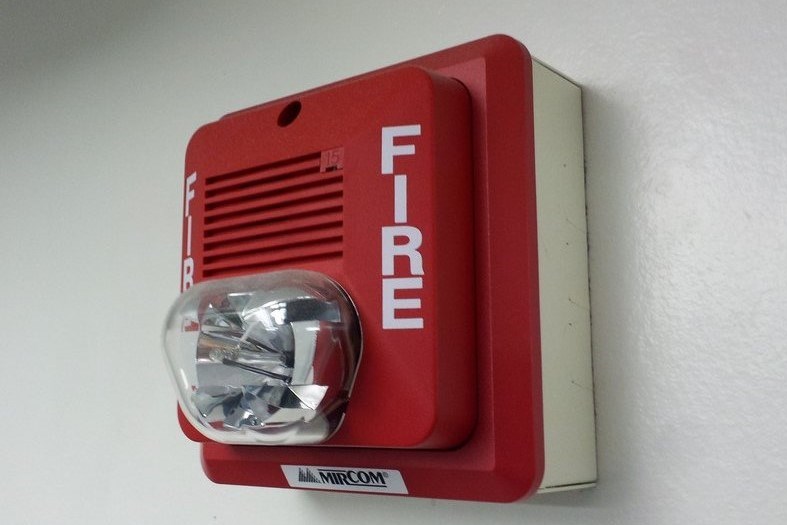
Fire detection, depending on the size and type of space we want to monitor, is divided into conventional and addressable. The purpose is the timely and valid notification in the event of a fire or gas leak for the immediate removal of all those present from the supervision area. Can be combined with an alarm system for maximum performance.
Τhe main parts of a fire alarm system are:
From €320
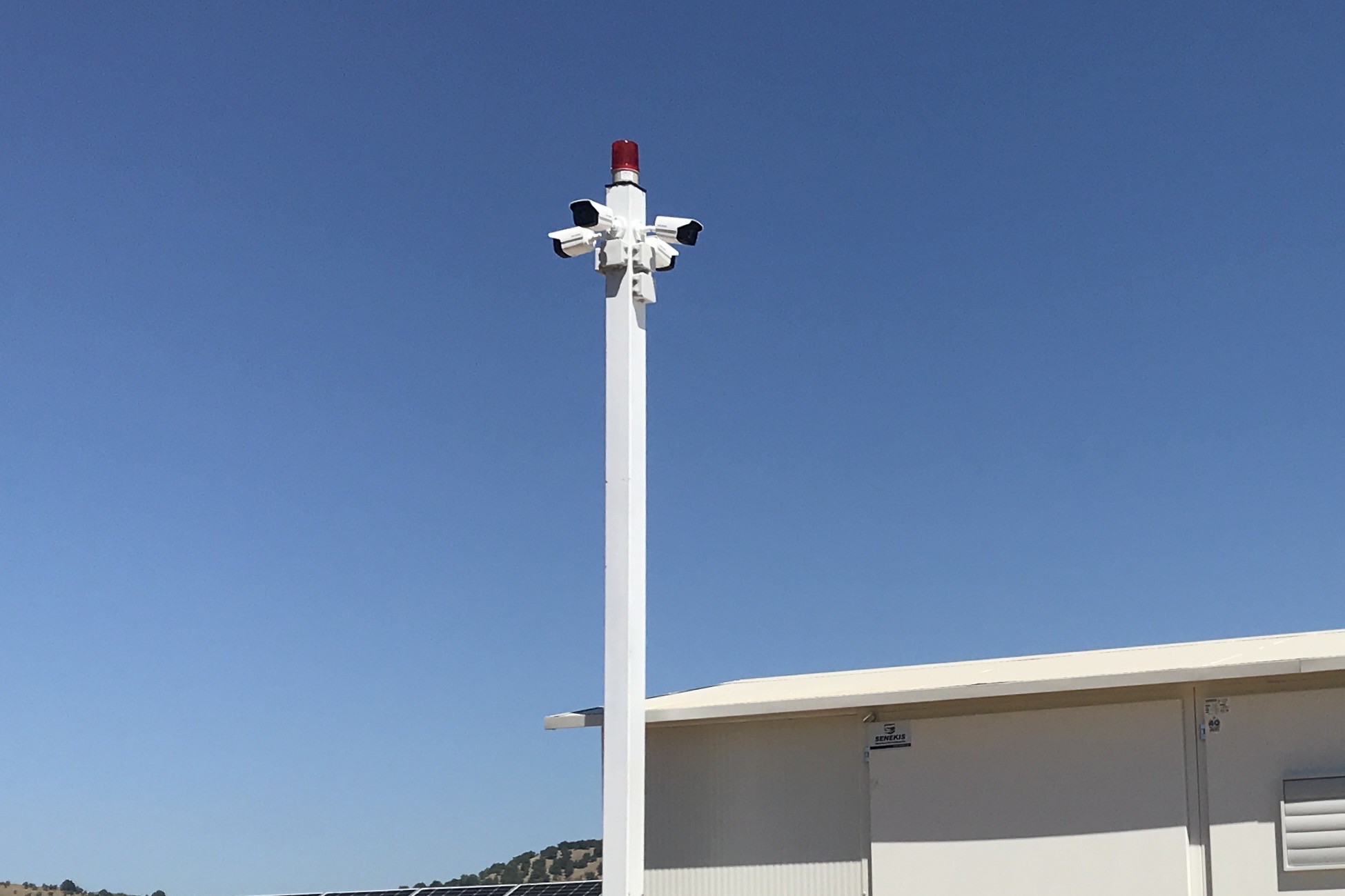
In a photovoltaic park the installation of a closed circuit monitoring system is of crucial importance. The main reason is that solar parks are usually located in remote areas and it is very difficult to have a daily picture of what is happening in our facility. Through the surveillance cameras, in addition to security issues of our facility, we can see if e.g. the panels have snow so we will have low performance and they will have to be cleaned, if there is an animal trapped in the park whenever we have to free it, etc.
The main parts of the system are:
From €700
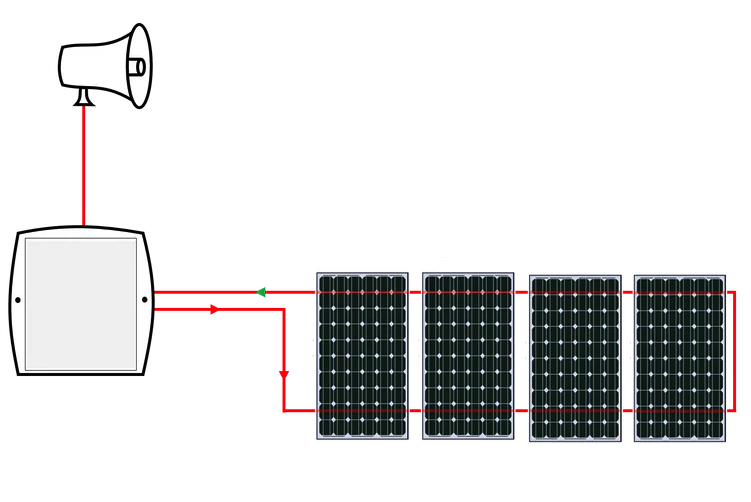
Having an alarm in a photovoltaic park can create or save us a lot of trouble and provide us with the necessary security. At Ubisys we avoid installing alarms using beams (laser beams) which are an old method and are vulnerable to weather conditions such as rain, snow, fog, etc. as well as the problem created by tall grasses or birds resulting in the temporary or permanent deactivation of the alarm due to false alarms. Instead we choose to trap all the panels of the park one by one, thus creating a closed system that is not affected by external factors.
The main parts of the system are:
From €900
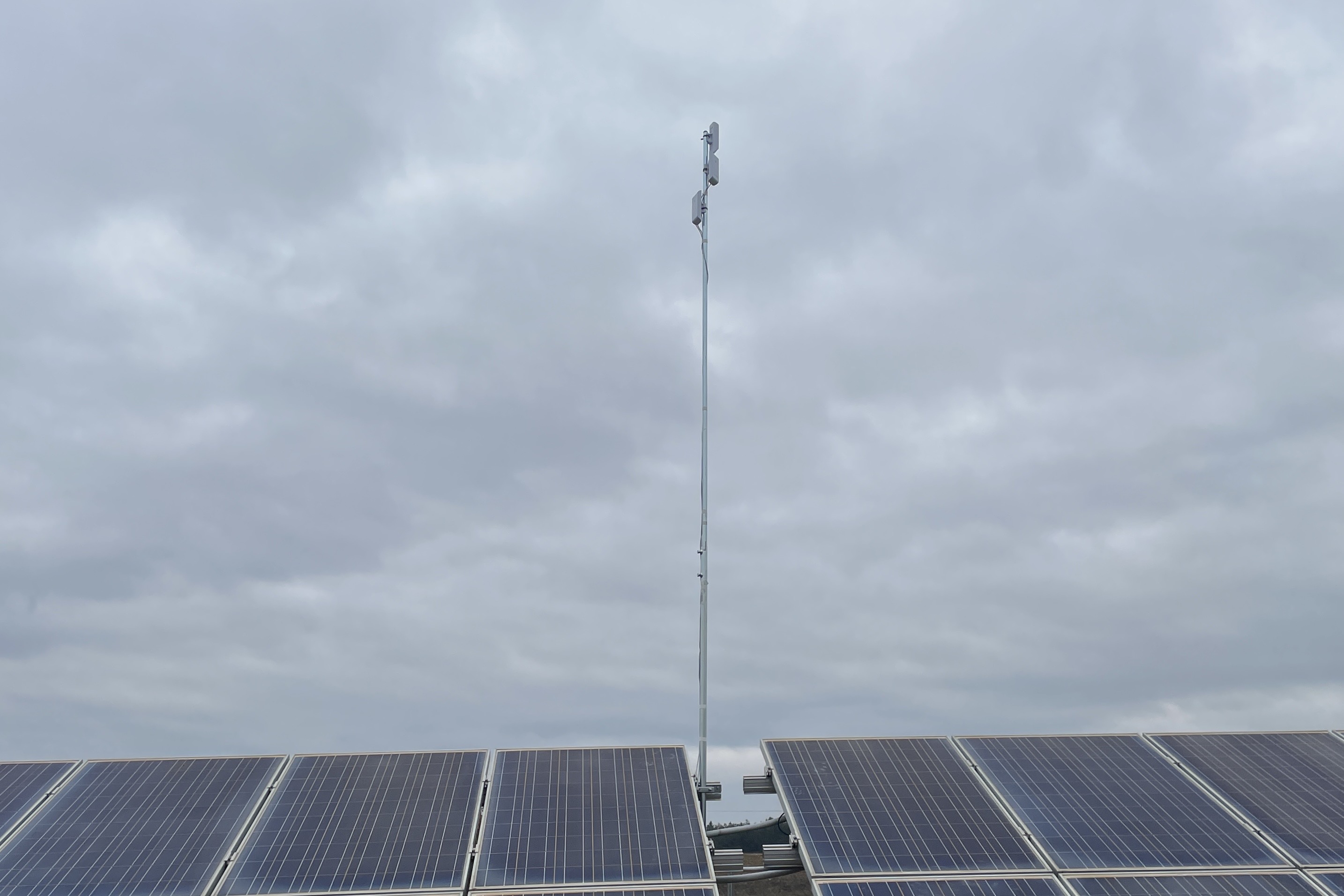
Creating a network is an integral part of every facility such as offices, businesses, etc. A network can connect the various devices that are in the same space with each other and our business on the internet. Through a properly structured network, users and devices can be constantly connected to carry out their tasks. However, the networks are not only located inside buildings, but can also connect different spaces that are located at a great distance from each other, wirelessly. Such networks are set up in photovoltaic parks and in rural areas to transfer internet to remote locations at the lowest possible cost and reduce the number of connections from the ISP provider.
The main parts of long distance networks:
From €400
The company Ubisys in its current form was created in early 2020.
We keep up with the latest technological developments in order to provide products that meet the needs of the time and comply with Greek legislation and EU regulations.
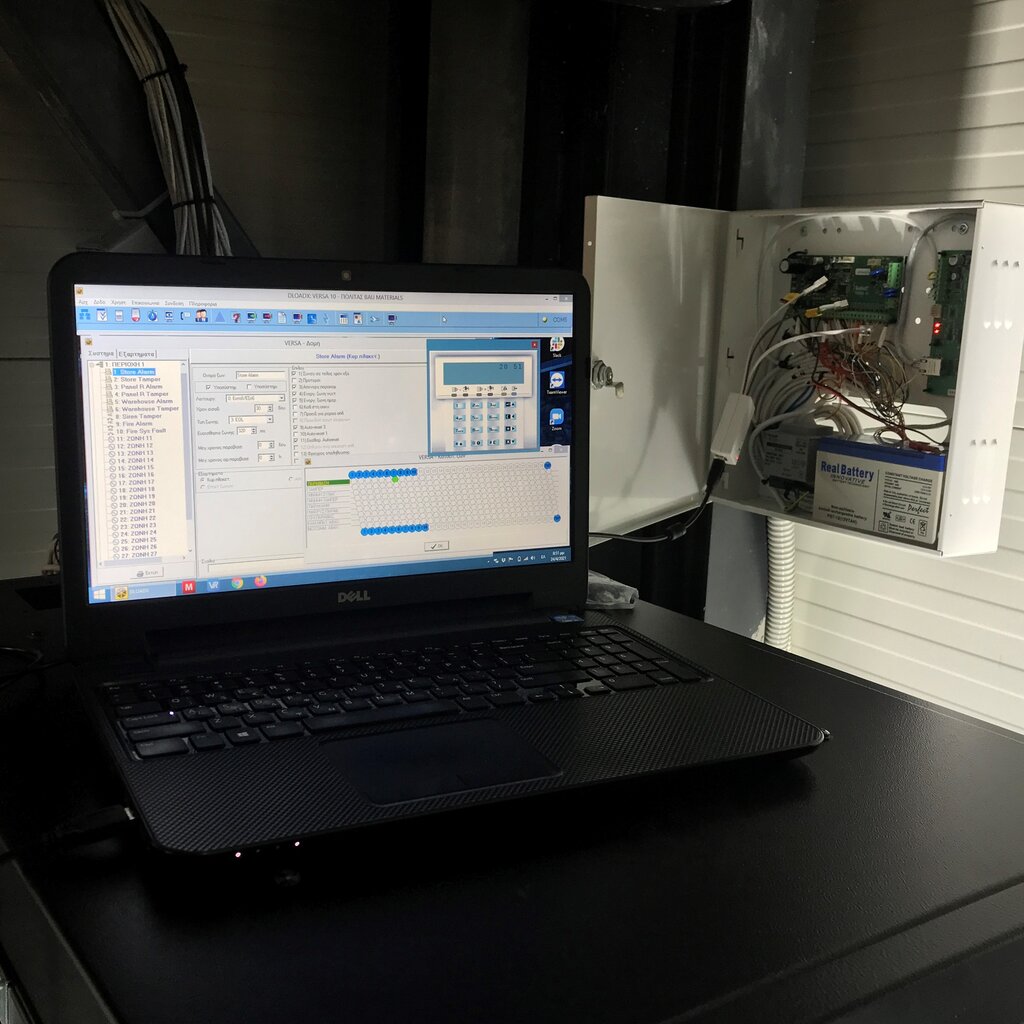
The programming of the alarm is done via a computer and with the official program that provided by the construction company. So we can configure our system (zone allocation, output control, installation of two-way communication, etc.), while controlling its proper operation.
Also, in collaboration with an electrical installer, the alarm can provide commands to the electrical board for scenarios creation that meet your business needs.
With this way we accelerate the installation and we are able to control the correct operation of the alarm at any time.
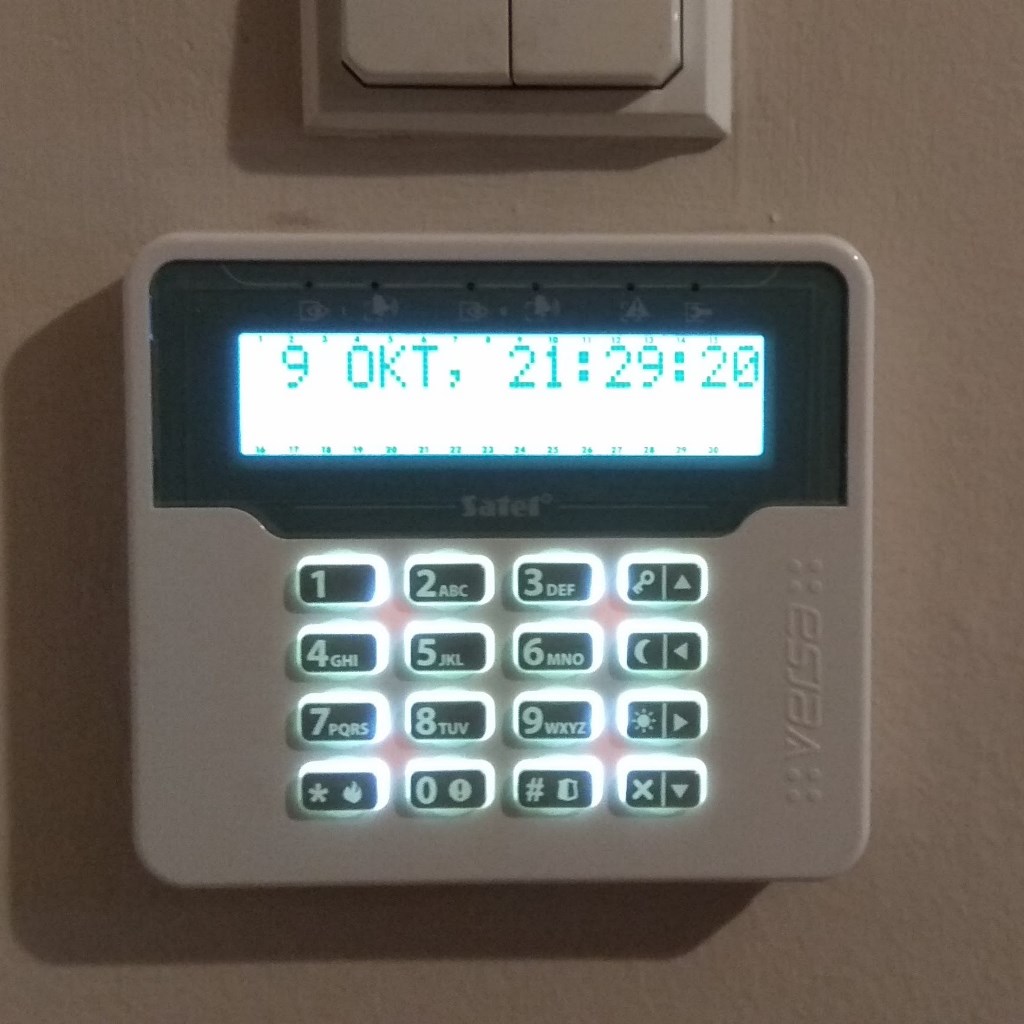
CloseThrough the LCD keyboard the user can arm / disarm the alarm as well as check the status of the system.
It is placed at the entry points so that there is the possibility of immediate arming and disarming.
An alarm system can have more than one keyboard depending on the needs of the user and when deemed necessary by the nature of the property.
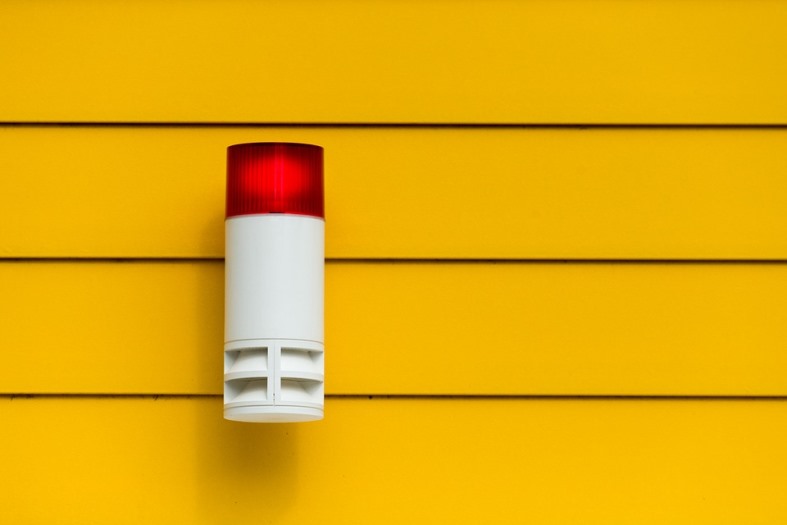
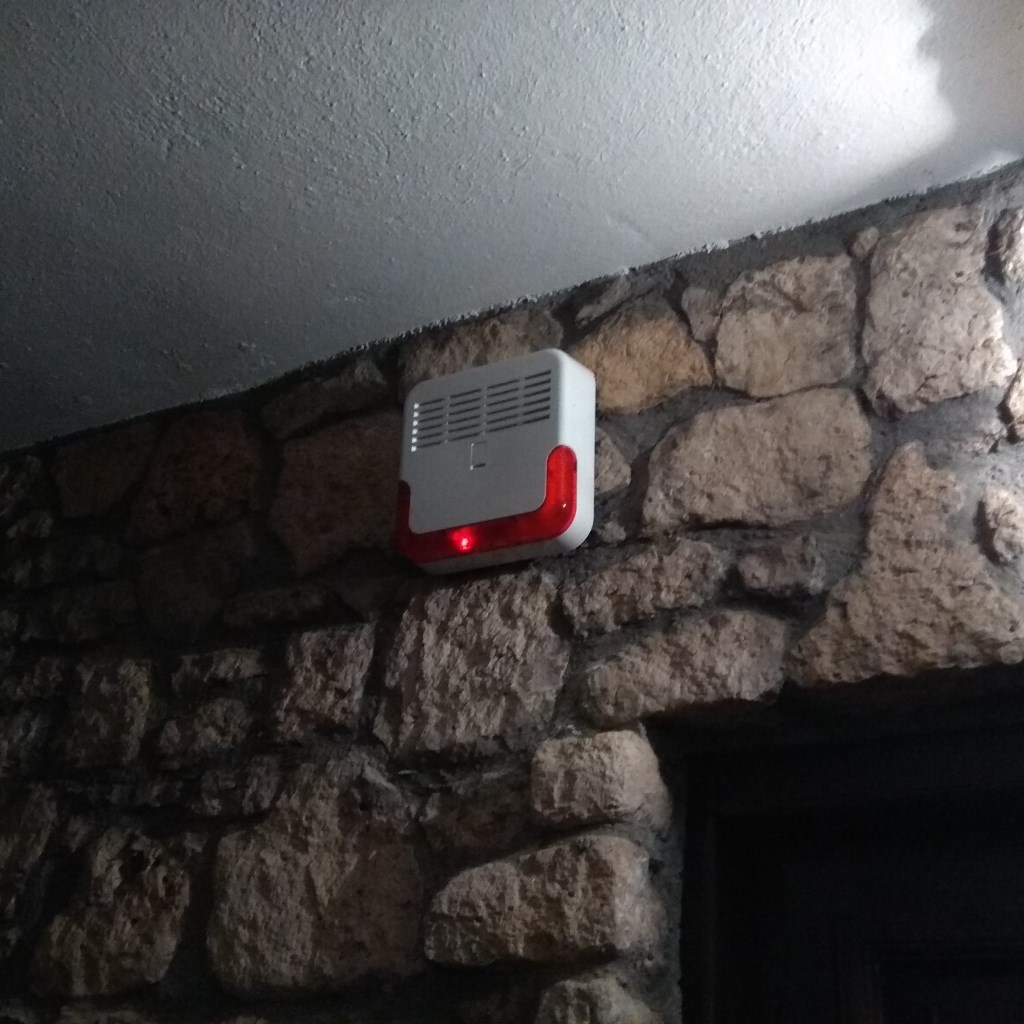
CloseThe siren is the part of the system that produce the audiovisual signal.
It is placed in a visible place and at an appropriate height, in order to informed us about a possible burglary, as well as to warn the potential thief about the existence of an alarm in order to force him to walk away form the particular property.
The sound it produces is about 120db.
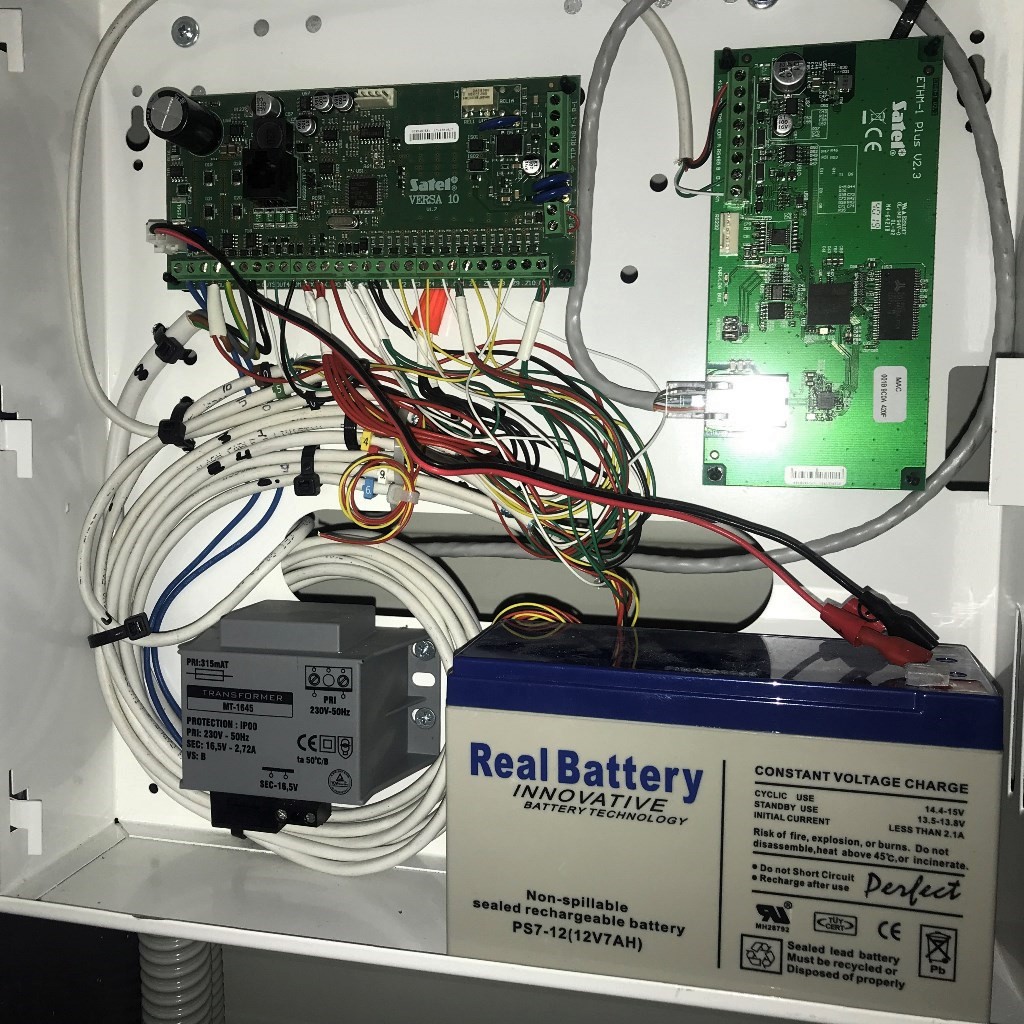
CloseThe central unit is the control unit of the system and is responsible for its 24/7 monitoring.
It is placed in a plastic or metal box and in a place that is not easily accessible.
Inside the box is also placed the battery that keeps our system functional even after a power failure, the transformer and some possible extensions.
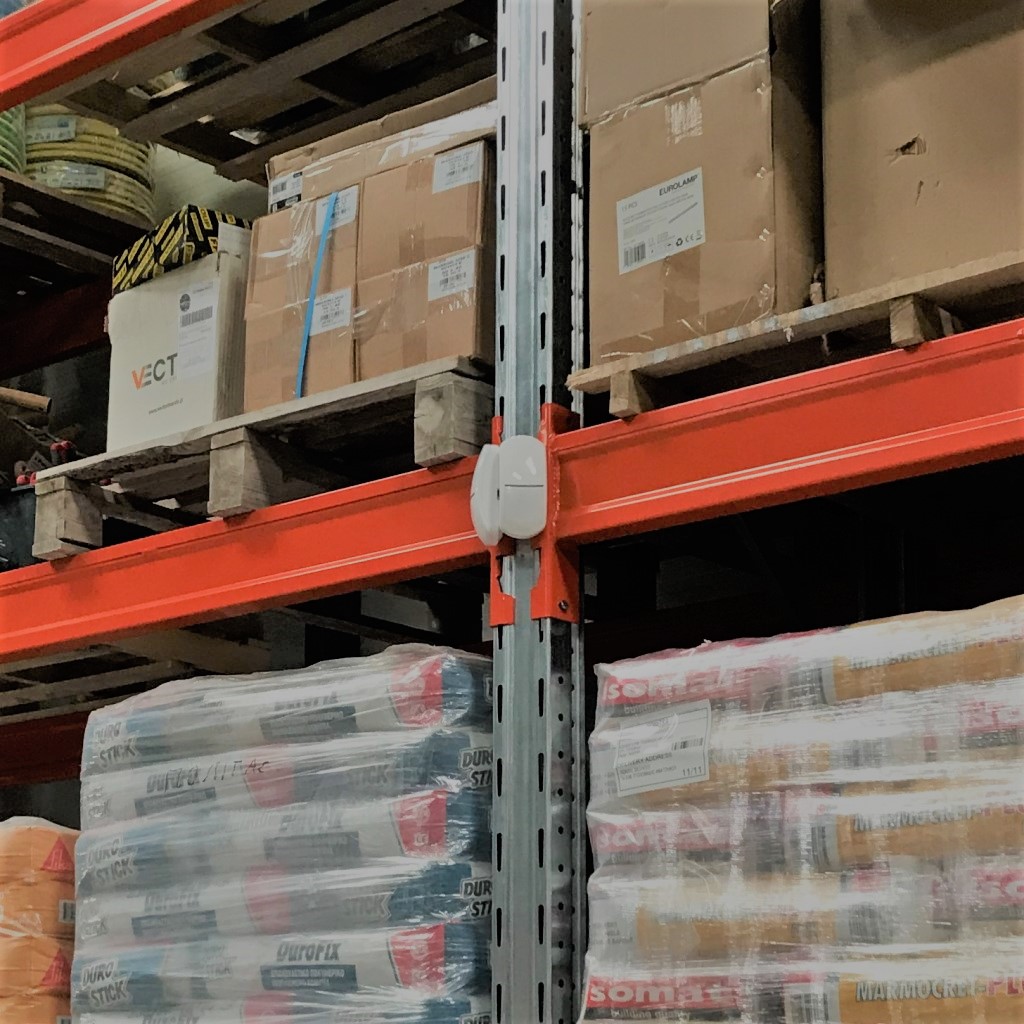
CloseThe motion detector can be PIR (Passive Infrared), MW (Microwave), or PIR + MW (Hybrid).
It is placed at a suitable height to perform properly and has a range of about 15 meters.
It is in continuous operation and gives a violation command to the central unit which manages it according to programing.
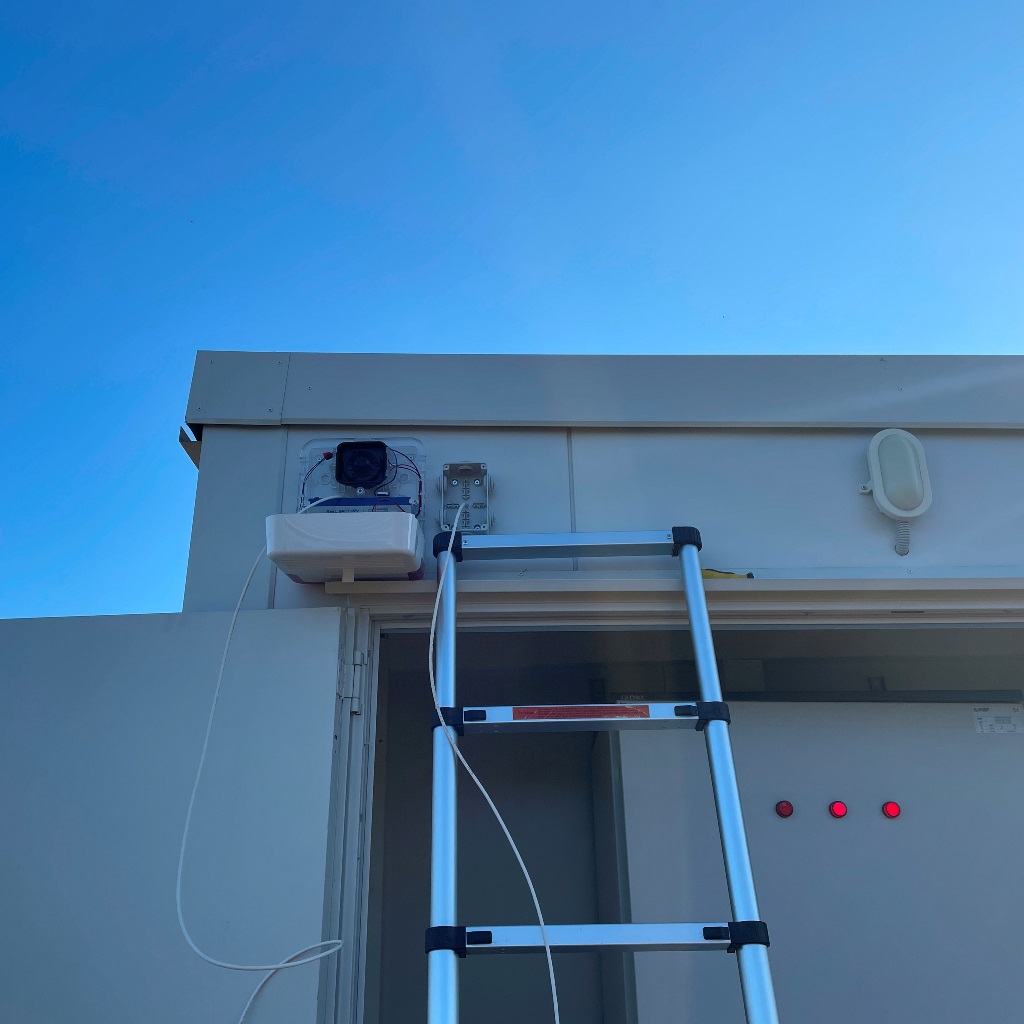
CloseThe siren is placed in a visible place and at an appropriate height, in order to informed us about a possible burglary, as well as to warn the potential thief about the existence of an alarm in order to force him to walk away form the particular property.
Depending on the building structure, we have to place the RF receiver in such a way that it can receive the remote control signal.
In this particular case, due to a metal structure that interferes with the transmission of the signal, it was placed externally in a sealed box.
Close
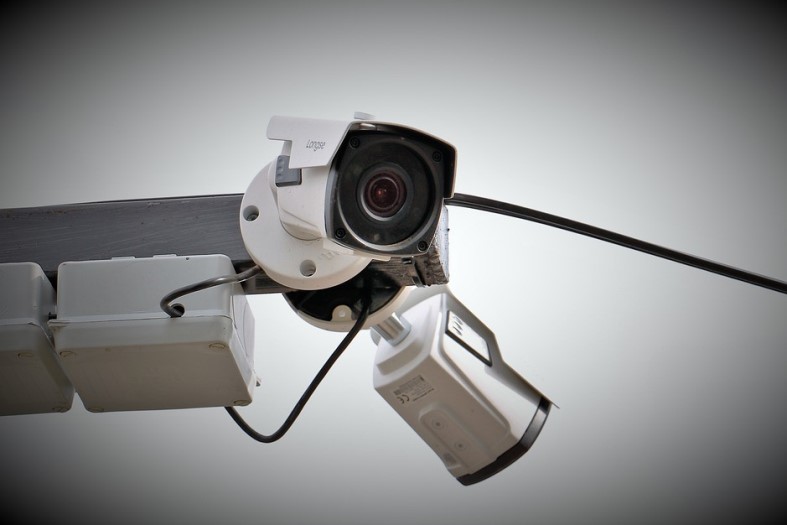
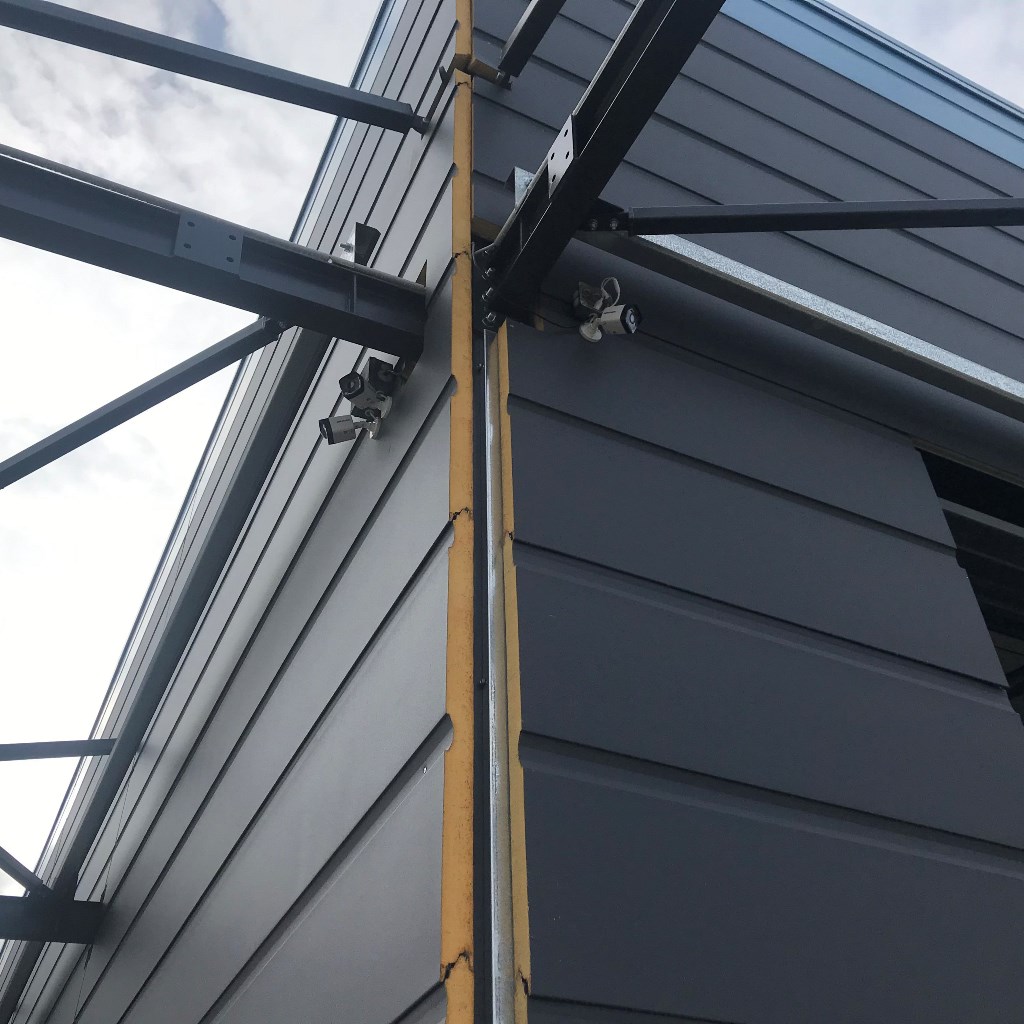
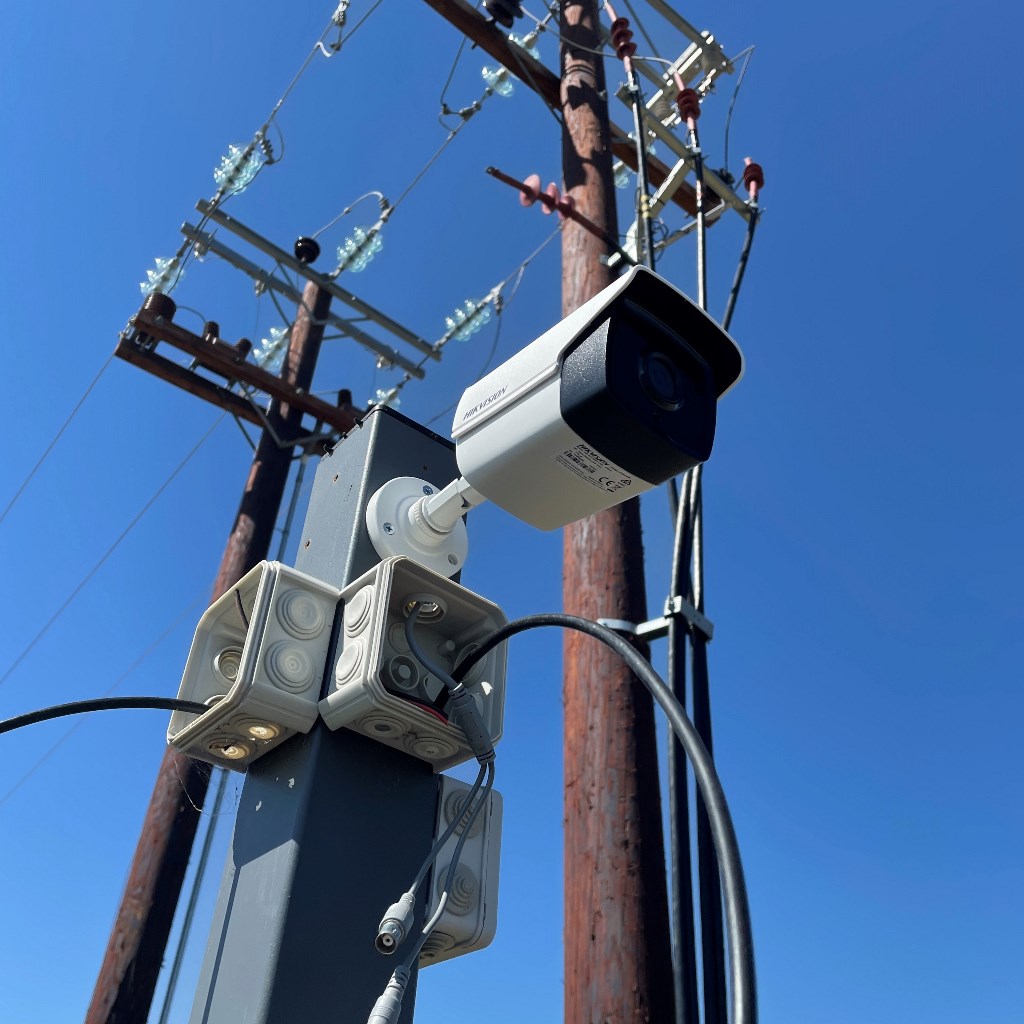
The cameras transfer the image to the DVR/NVR where the recording is happens.
They can be either analogs with independent power supply or network with power supply via lan cable (POE).
They are usually waterproofs with IP66 certification and are equipped with infrared to provide a clear image even in completely dark conditions.
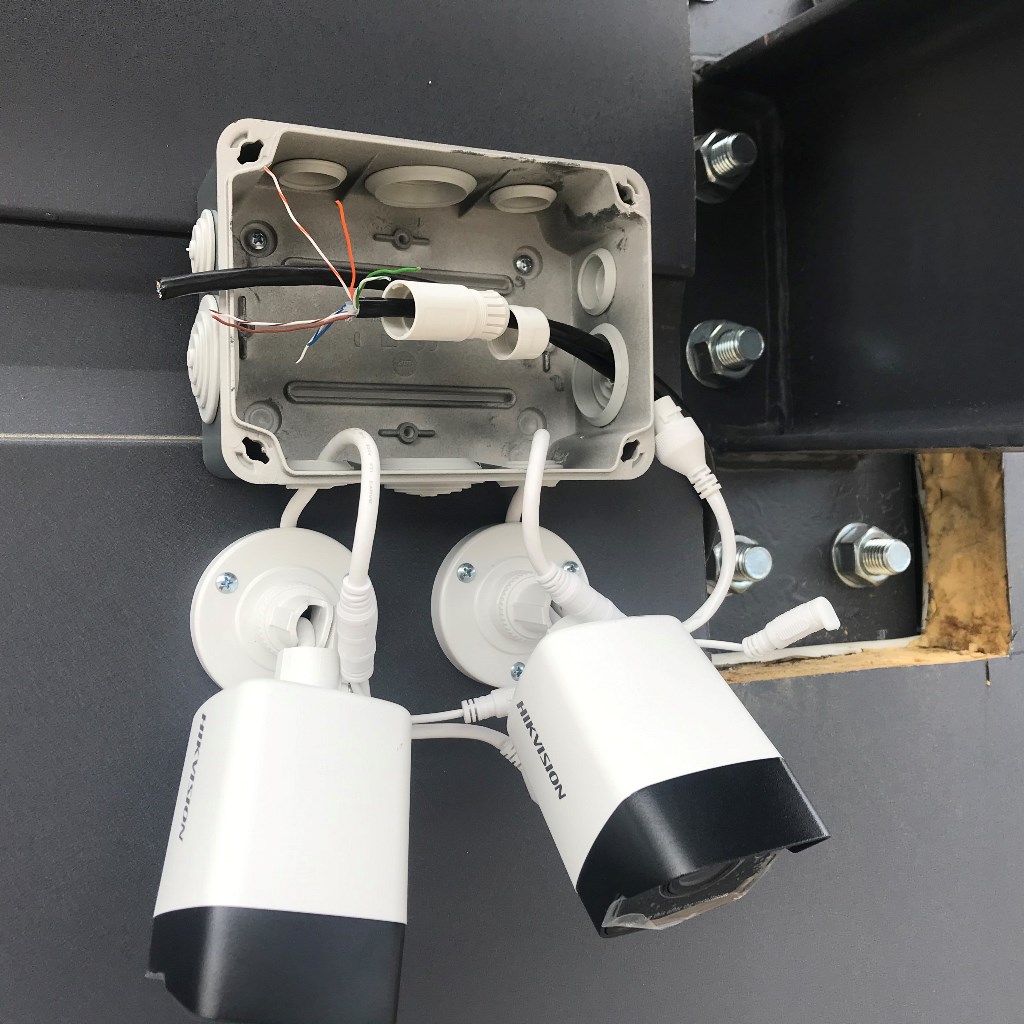
An additional waterproof box is used during installation which protects the cable's joints from external weather conditions.
Close
The cameras transfer the image to the recorder where the recording is happens.
They can be either analogs with independent power supply or network with power supply via lan cable (POE).
They are usually waterproofs with IP66 certification and are equipped with infrared to provide a clear image even in completely dark conditions.
An additional waterproof box is used during installation which protects the cable's joints from external weather conditions.
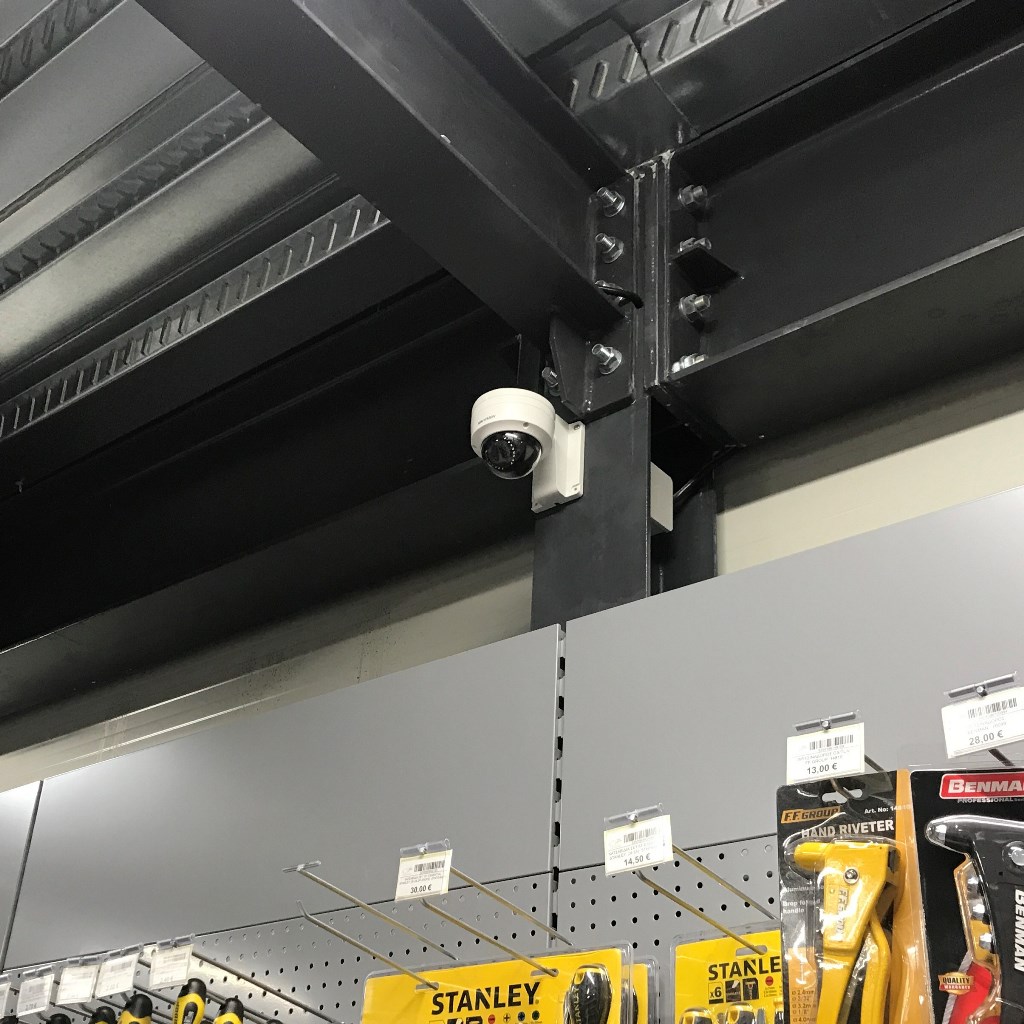
CloseThe cameras transfer the image to the recorder where the recording is happens.
They can be either analogs with independent power supply or network with power supply via lan cable (POE).
Beacuse of it's internal use, it is not nessecary to be waterproof.
Depending on the installation location, an additional box may be required to hide the cables
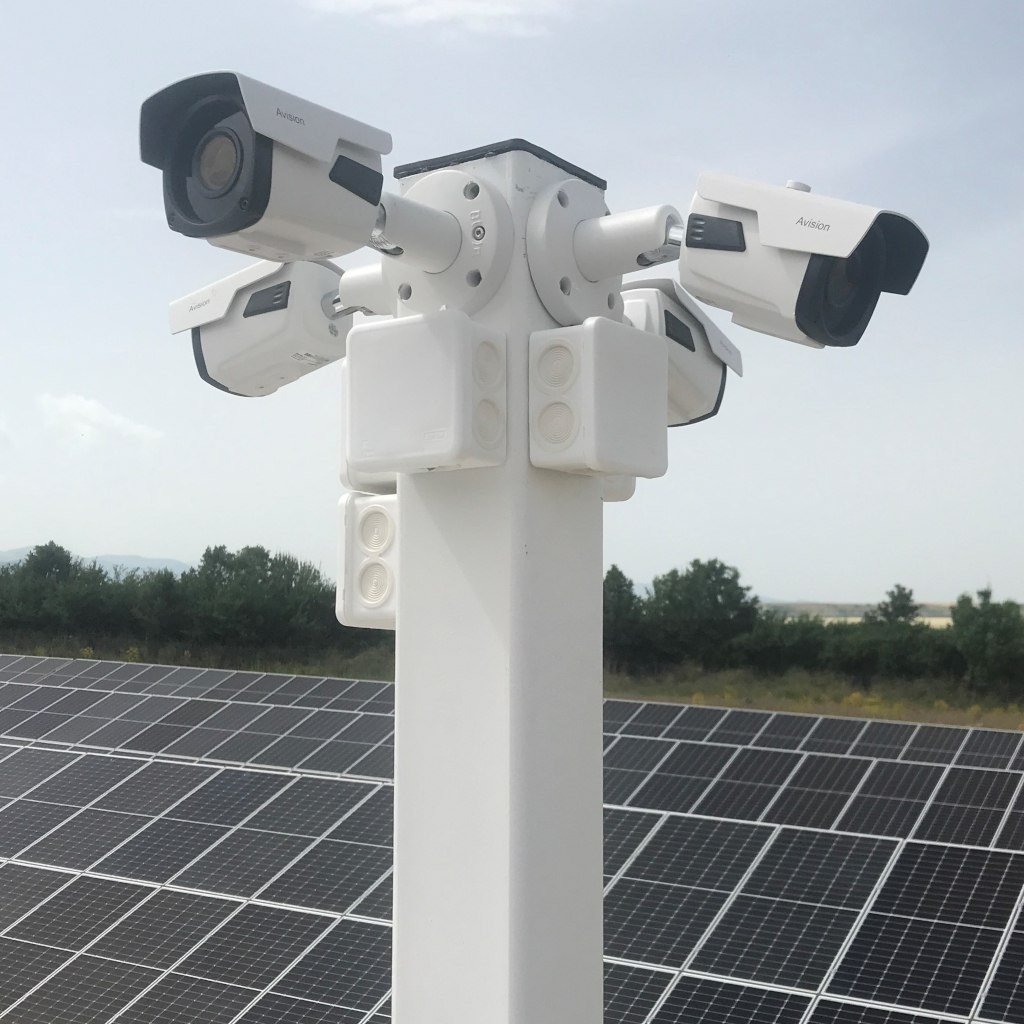
CloseThe cameras transfer the image to the recorder where the recording is happens.
The specific cameras are analog, varifocal, with independent power supply and are installed in a PV plant.
Cameras being used for this purpose, offer high resolution and are equiped with long range infared.
They are placed in such a way as to offer 360 degree continuous recording and live view.
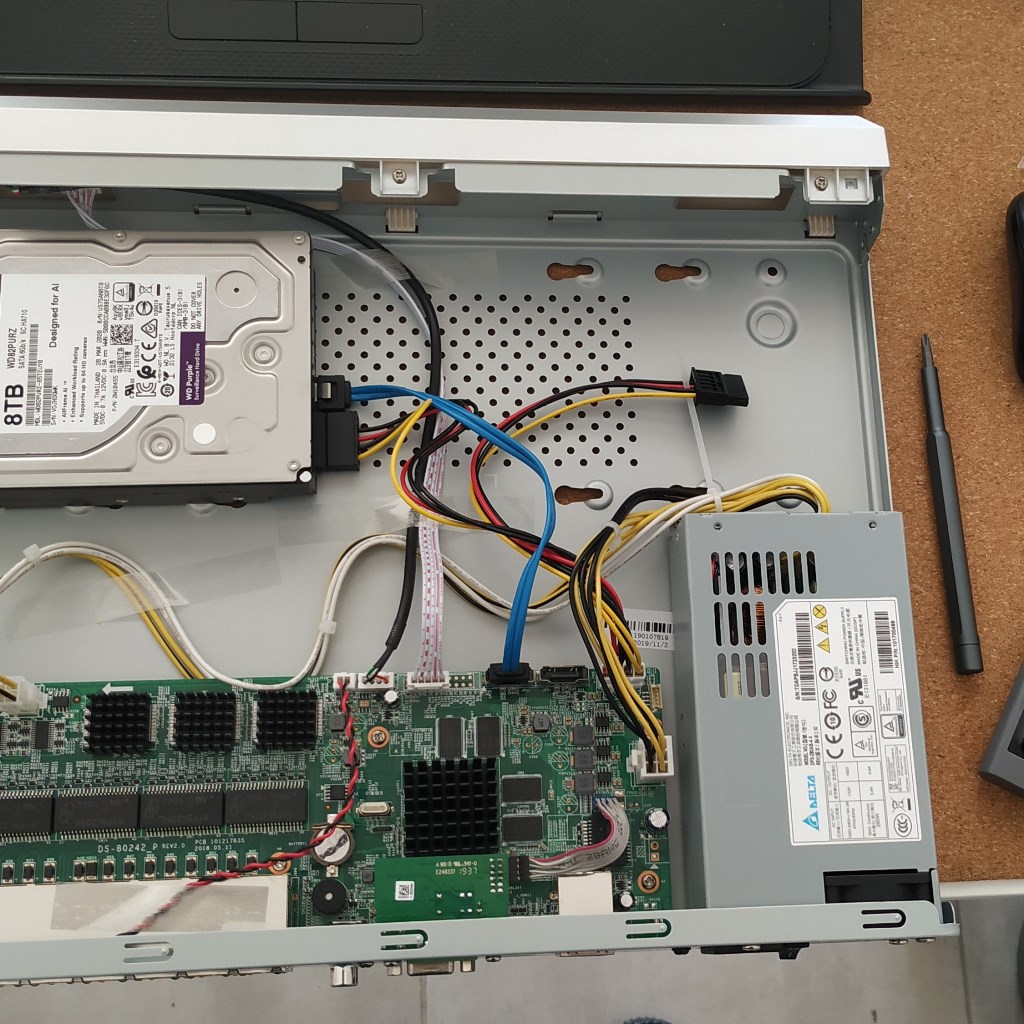
CloseThe recorder is the management center of the closed circuit tv system.
Like the central alarm unit is placed in a place not easily accessible by anyone.
It is equipped with hard disk (1TB to 8TB according the number of the cameras and the quality of the recording) in order to be able to store data for at least 15 days.
It can be connected to the internet and allows us to watch live or playback.
CloseThe recorder is the management center of the closed circuit tv system.
The programming take place either locally or remotely with the program of the construction company.
During the installation we can choose the operation mode (recording in motion, 24/7 etc) as well as a set of settings concerning the image quality, the system's users, the frame's rate, the sensitivity of the image sensors etc.
CloseThe cameras transfer the image to the recorder where the recording is happens.
The specific cameras are analog with POC.af technology (Power Over Coaxial), where through the coaxial cable they can transmit image and power at distances of up to 250 meters, and are installed in a PV plant.
Cameras being used for this purpose, offer high resolution and are equiped with long range infared.
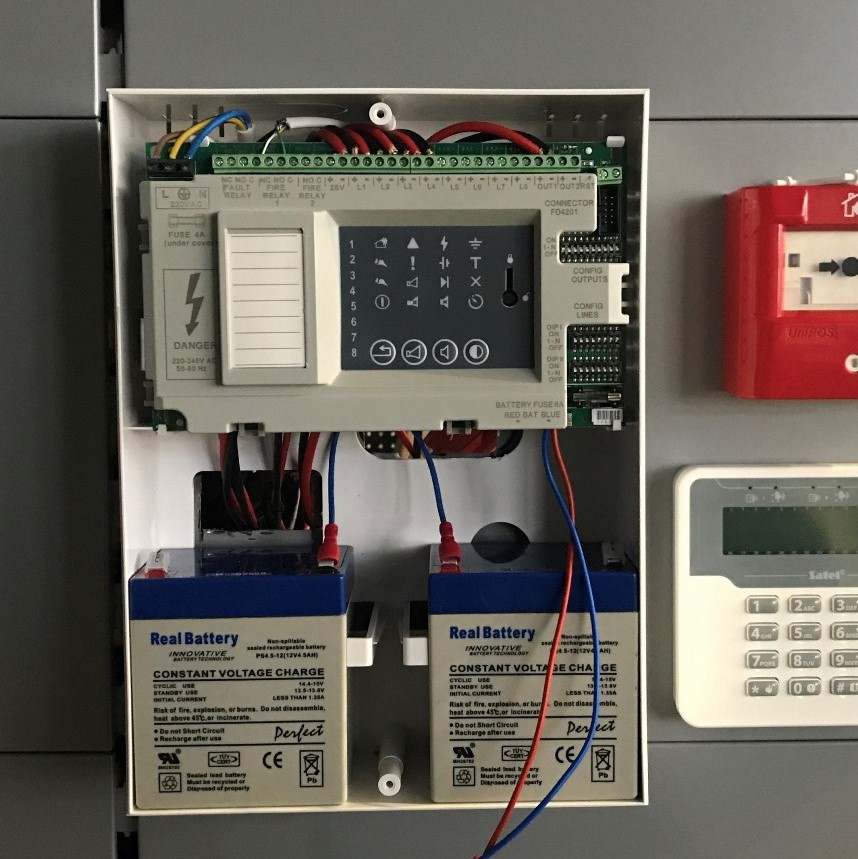
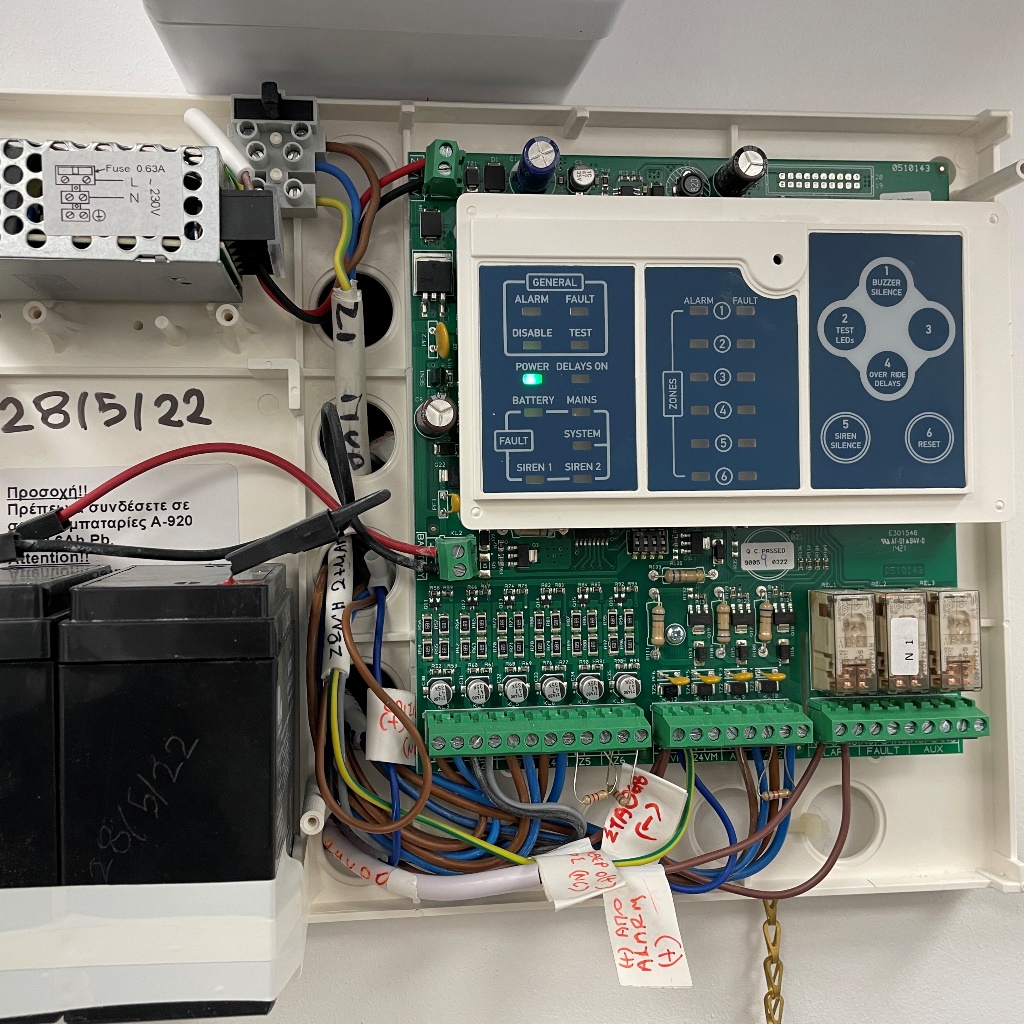
CloseThe fire alarm panel is the heart of the system. It is placed in a visible place, easily accessible by staff.
There are 2 types of fire alarm systems. The conventional and the addressable. The choice is made according to the needs of the company.
The panel can also be connected to the alarm system so as to provide continuous monitoring of our system remotely.
The fire alarm is powered by an independent supply from the electrical panel and works at 24V. Batteries usage is nessecary to ensure the uninterrupted operation of the system at least 24 hours after a power failure.
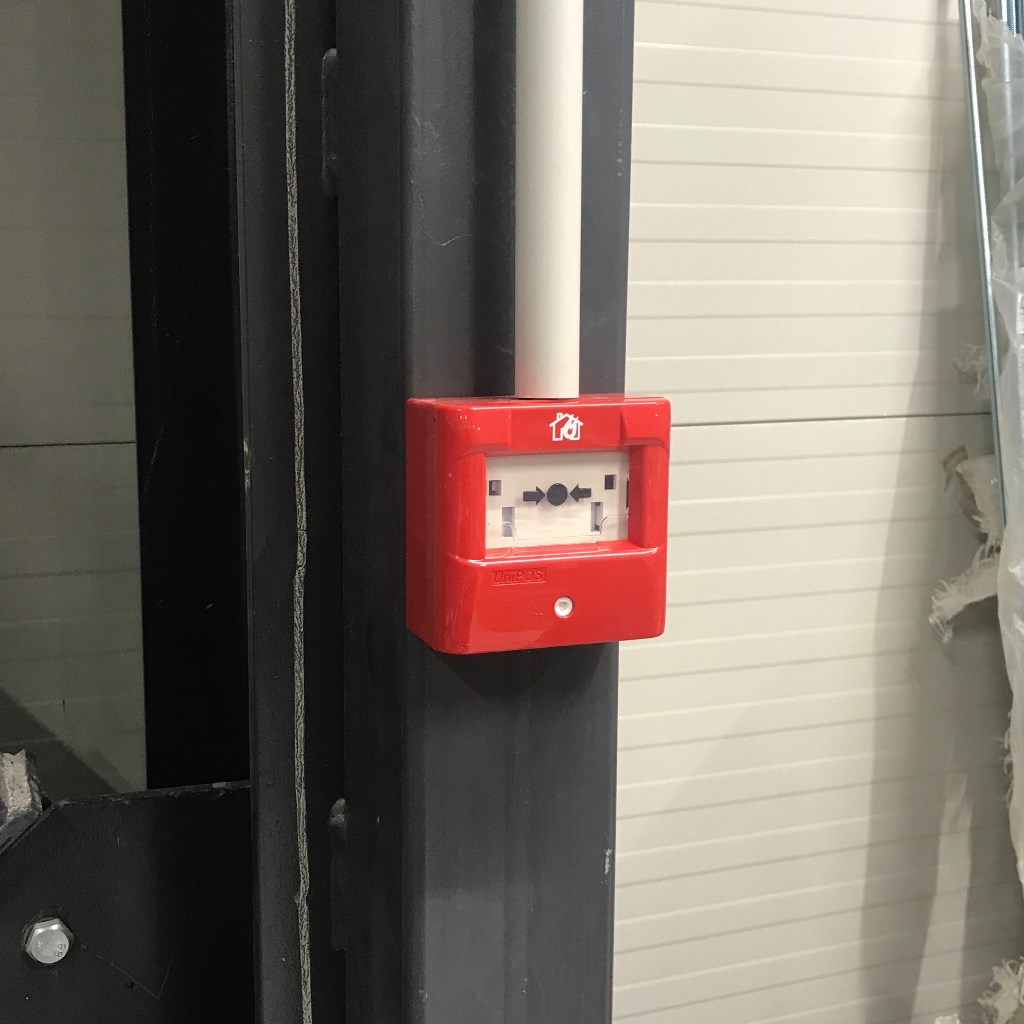
CloseThe call points are directly connected to the main panel and by pressing them we can activate the fire alarm.
They are usually connected to an independent zone within a demarcated area of an installation (eg one zone for the ground floor, one zone for the 1st floor, one zone for the warehouse, etc.).
They are placed at key points within the surveillance area easily accessible so that anyone can immediate activate the alarm and inform about possible fire (entry/exit points, stairwells, offices, etc.).
Close
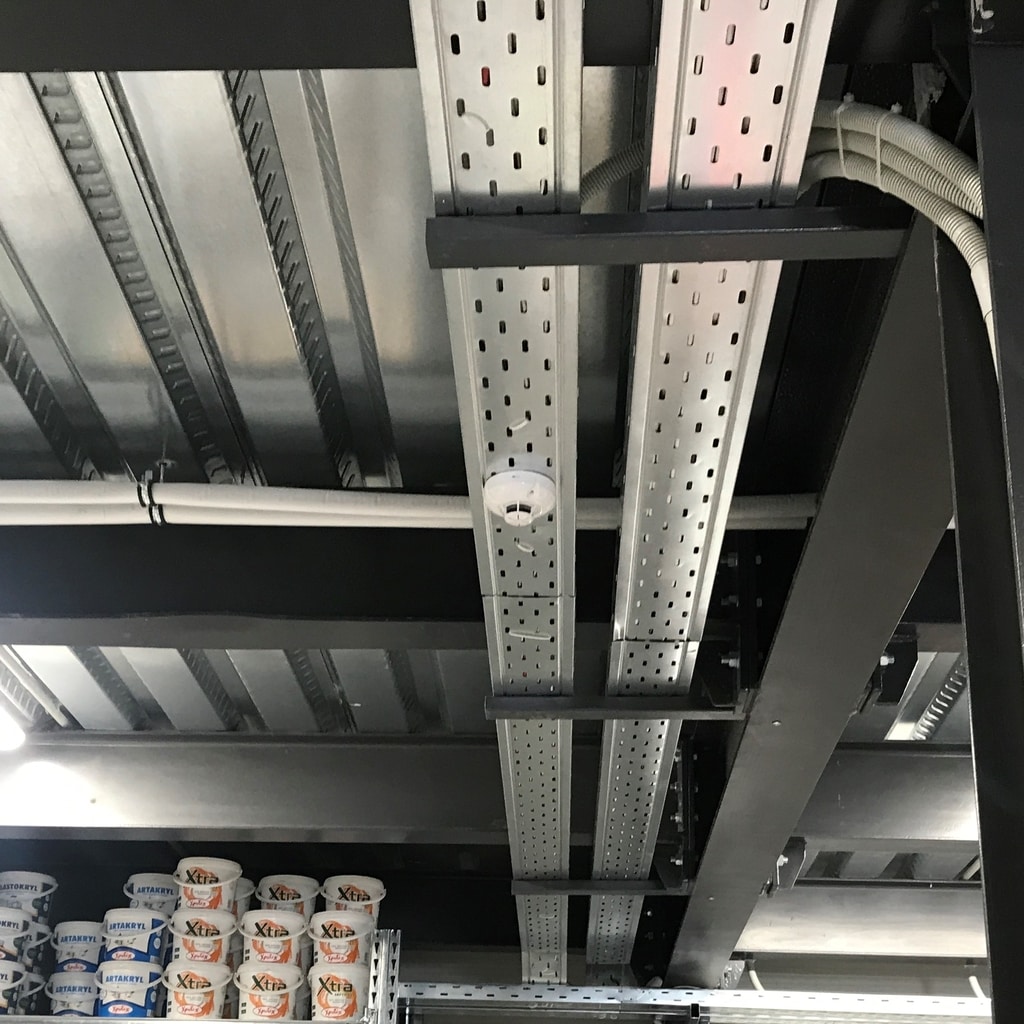
The detectors are permanently connected to the main panel and are responsible for the 24-hour surveillance of a space and the activation of the alarm in case of fire.
They are divided into various categories such as optical smoke, beam, rasing heat, gas, hybrid, etc. The selection of the appropriate detector is made according to the needs of the company.
The mounting point of the detectors is an important part of the proper functioning of our system since a misplacement can be fatal.
CloseFire detection in a business plays an important role in security and must function properly and monitor all zones without problems.
In case of an error, even temporary, we must call our installer for the standard system check.
Checking the fire detection usually includes checking the power supply, checking the batteries, measuring each zone for a possible cut off of the circuit, and checking the sensors and call points of the faulted zone.
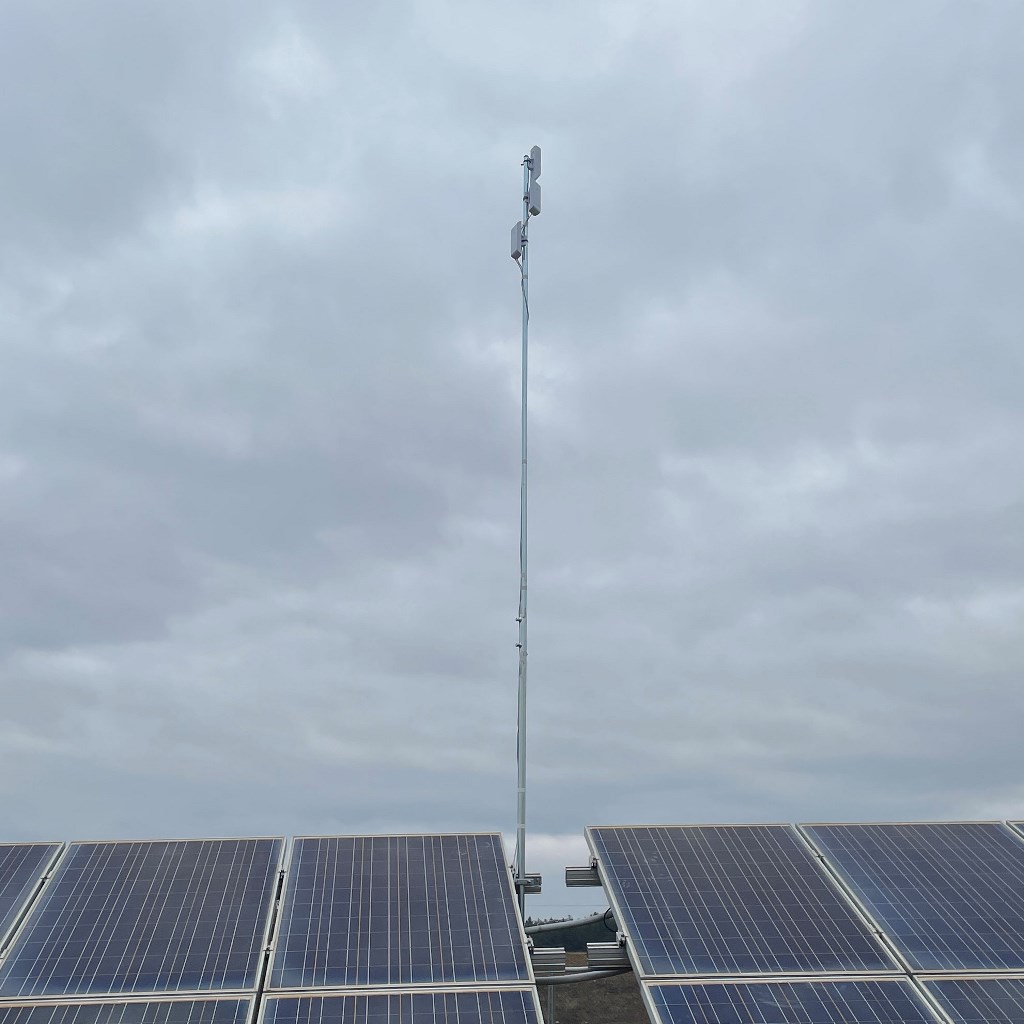
CloseWith the use of suitable antennas, we can establish a two-way communication between two or more points at distances up to and greater than 20 km, as long as there is visual contact, saving unnecessary costs of new ISP contract.
These antennas are divided into two main categories according to their broadcast, omnidirectionals (360°) and sectorials (approximately 30°-60°). However, their installation and adjustment must be carried out by a certified installer as the maximum radiated power (Max Power Level EIRP) must be limited.
Close
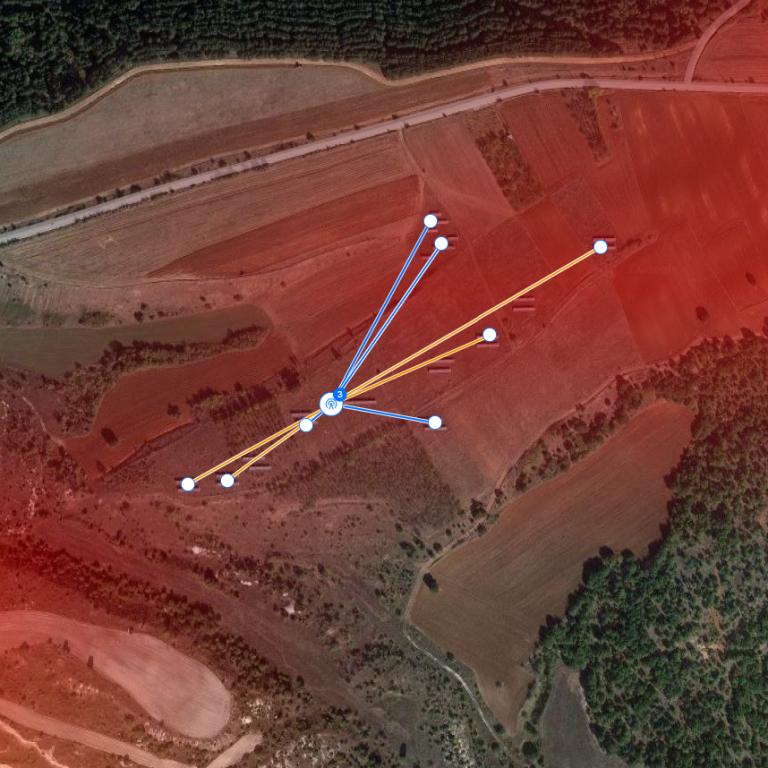
Through provider's application, it is possible to virtually set up a wide coverage network taking into account the size of data, the distance of facilities and the morphology of the terrain.
By using suitable antennas, which can communicate two-way at distances greater than 20km, it becomes possible to set up a network with the minimum possible cost.
In this particular image we notice that a network has been created between 9 different facilities according to the star topology standards with just one contract from the internet service provider (ISP).
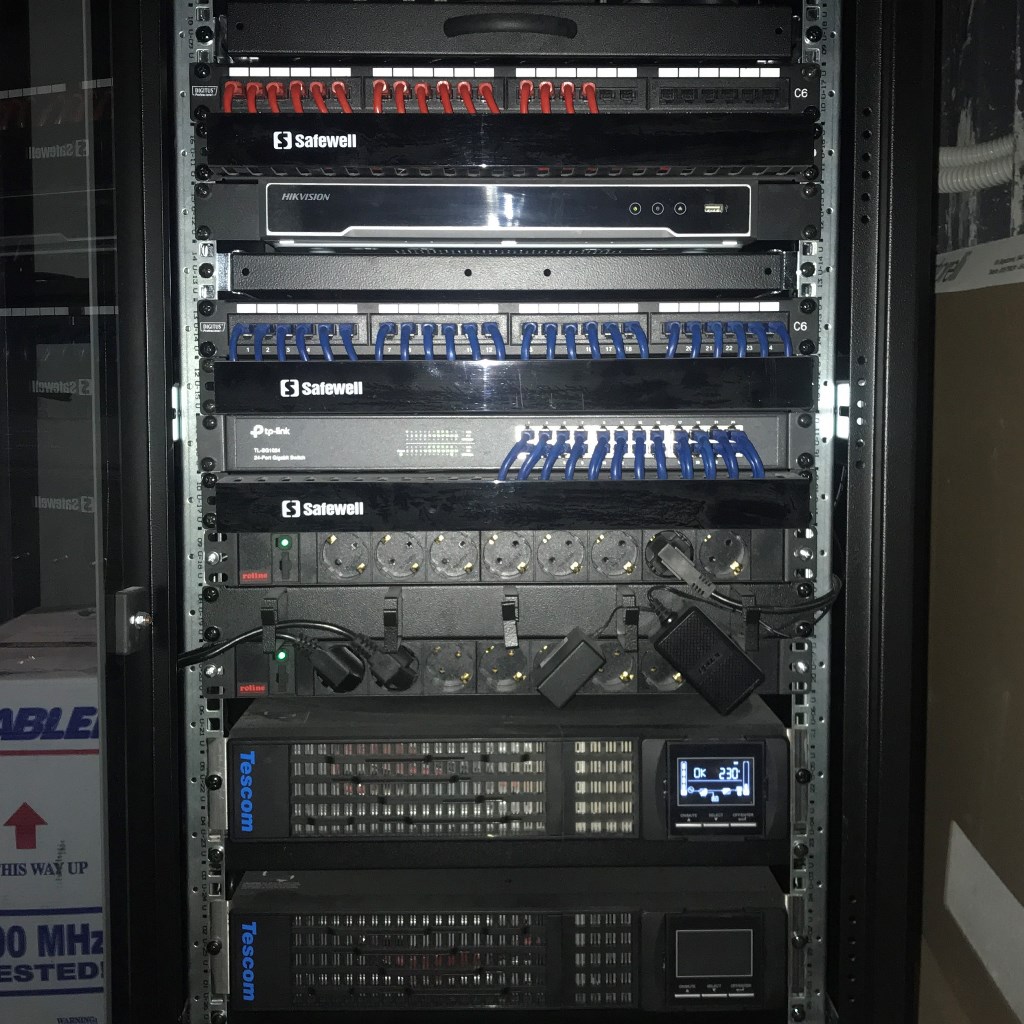
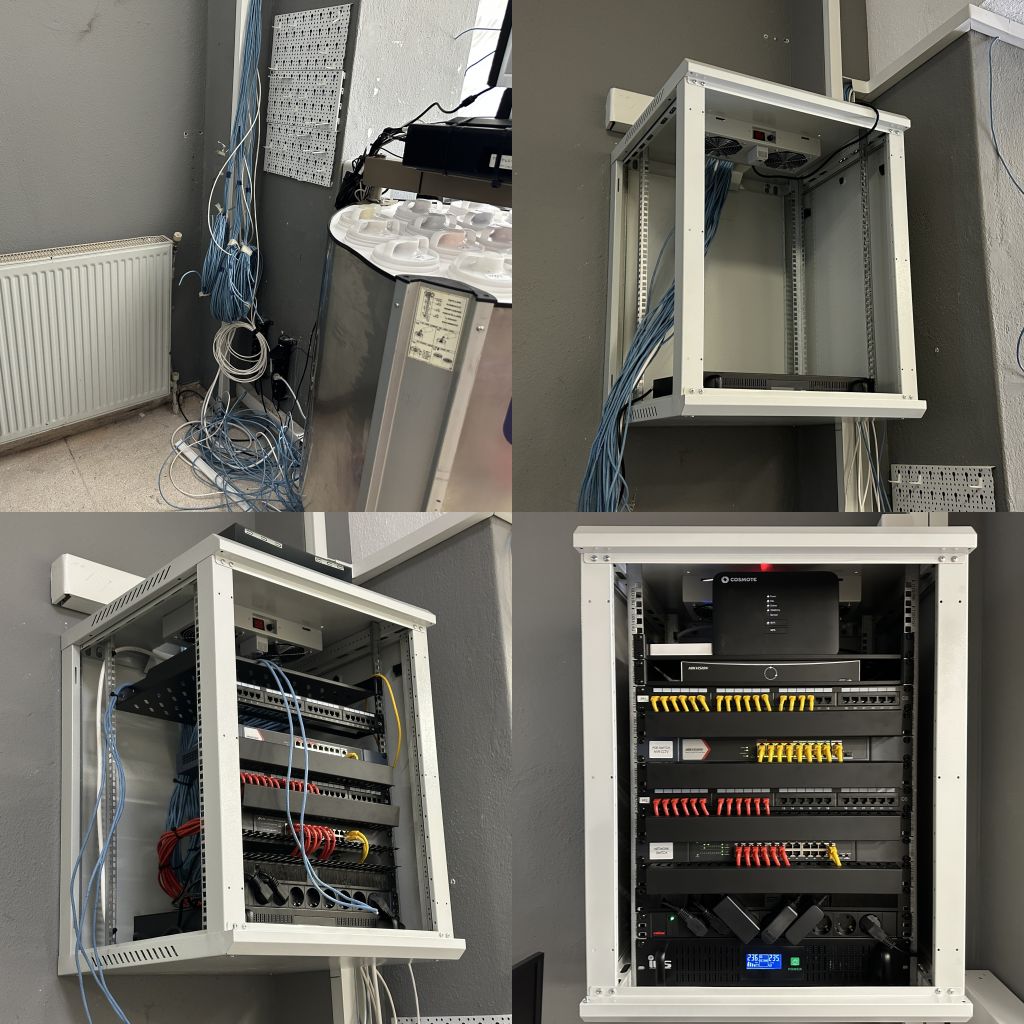
CloseThe Rack is the special place where we can put the sensitive low voltage equipment.
This model has a capacity of 26U.
A Rack usually includes one ore more UPSs, Switches, Patch Panels, cable organizers as well as any additional equipment we want to install in our business / home.
It is available in many dimensions and with the possibility of floor or wall mounting.
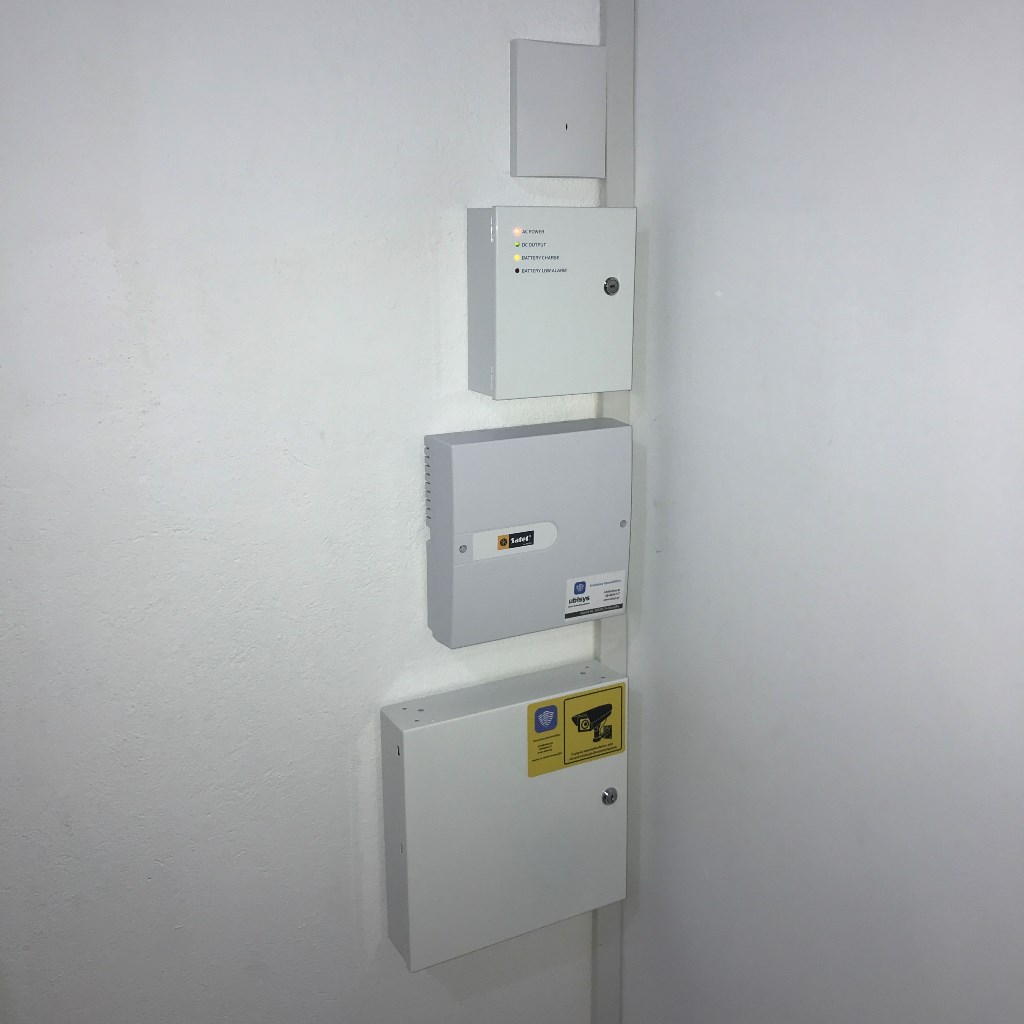
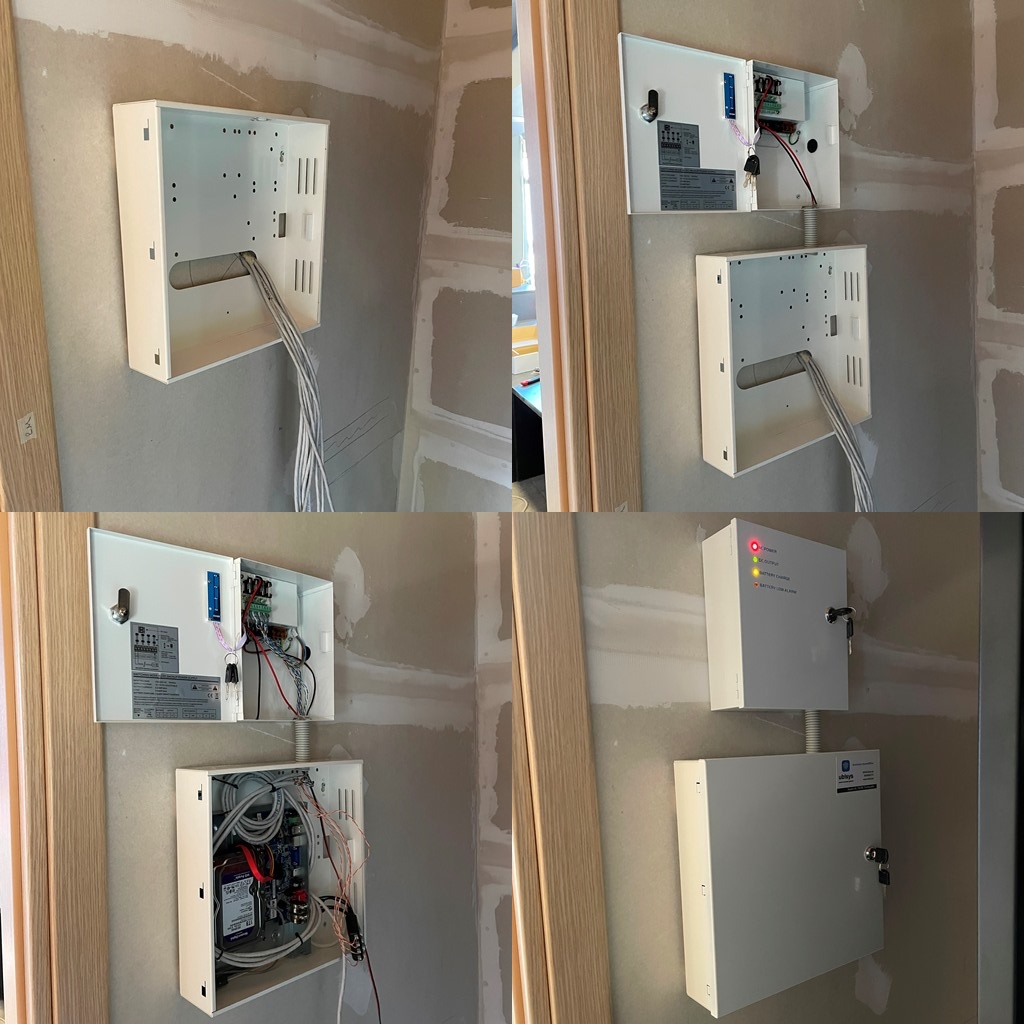
CloseThe equipment is placed in a place not easily accessible from anyone and in special boxes that offer the necessary security.
The installation is done on the wall to reduce the required space needed for it.
In this image we can see 4 boxes. In order from top to bottom in the 1st box there is the alarm communication unit which allow us to control the alarm system through our smart devices via Internet. In the 2nd box there is the power supply of CCTV and security cameras that also works as a UPS. In the 3rd box there is the central unit of the alarm. Finally, in the 4th box there is the CCTV recorder.
CloseUndergrounding is the process in which the wiring is placed under the ground / floor in the area where the installation takes place.
The cables pass through a spiral of specific specifications with the use of duct snake. The diameter of the spirals varies, depending on the number of cables required.
The process of installing the spirals is one of the first works carried out in a space while the installation of the cables is done later depending on the needs of use.
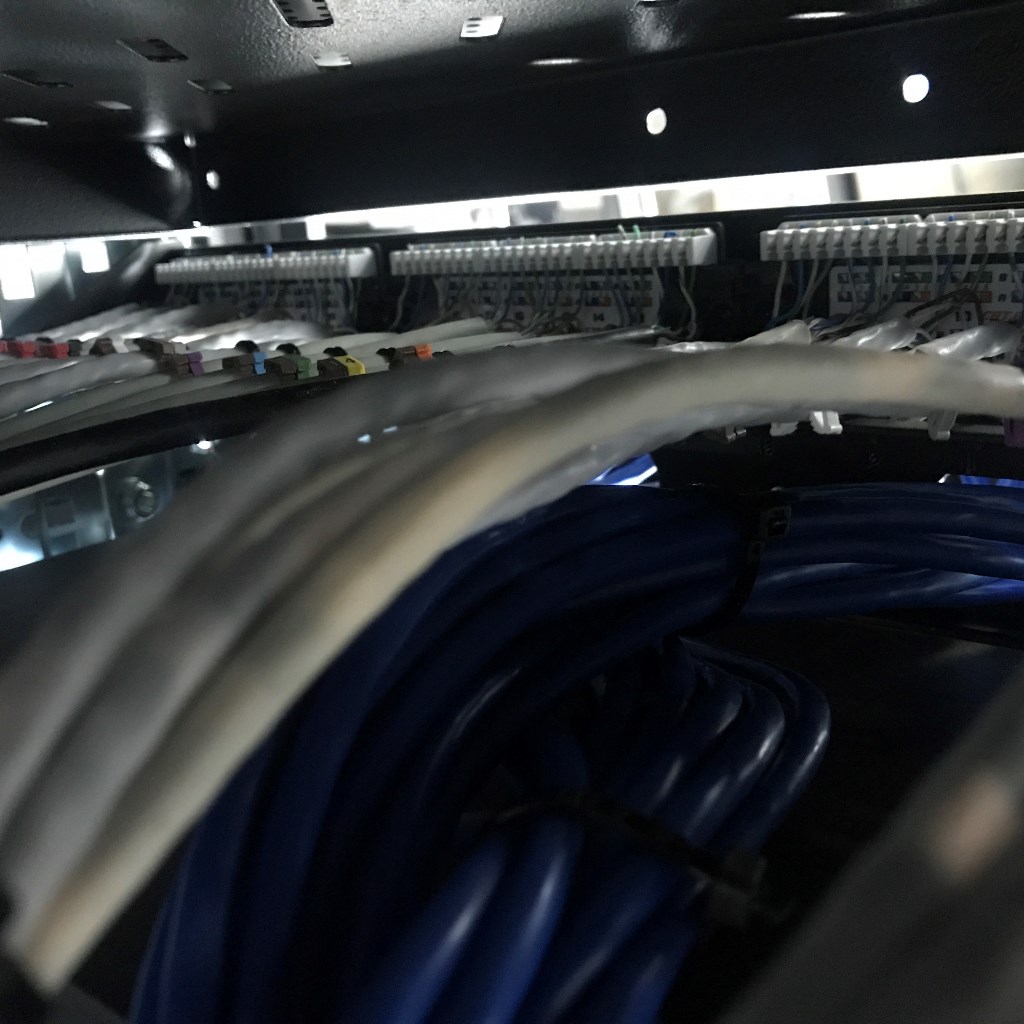
CloseIn every installation, whether it is a home or a business area, the cables must be hidden and they must be terminated in wall sockets or patch panels inside the Racks.
In any case, there should be no visible cables. This is necessary both for the safety of the user and for the safety of the installed equipment.
CloseThe equipment is placed in a place not easily accessible from anyone and in special boxes that offer the necessary security.
The installation is done on the wall to reduce the required space needed for it.
In this image we can see 2 boxes. In order from top to bottom in the 1st box there is the power supply of CCTV and security cameras with independent 1A fuses that also works as a UPS and in the 2nd box there is the CCTV recorder.
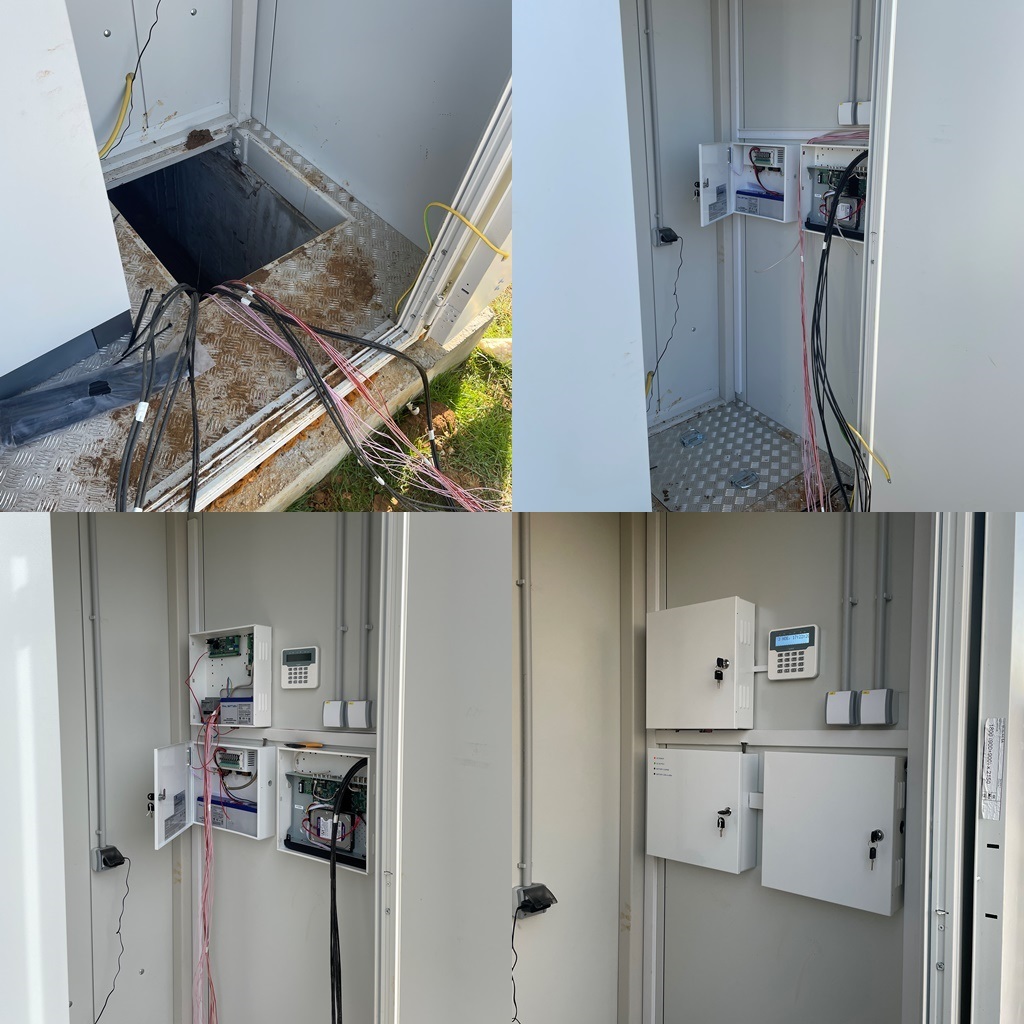
CloseIn a PV Plant all the cables end up underground under the container.
From there the cables are led through electrical cable channels into the necessary boxes where the equipment we want to install is located.
Three boxes have been installed in SOLthis facility. One for the alarm unit and the necessary modules, one for placing the recorder and one for powering the cameras with backup function.
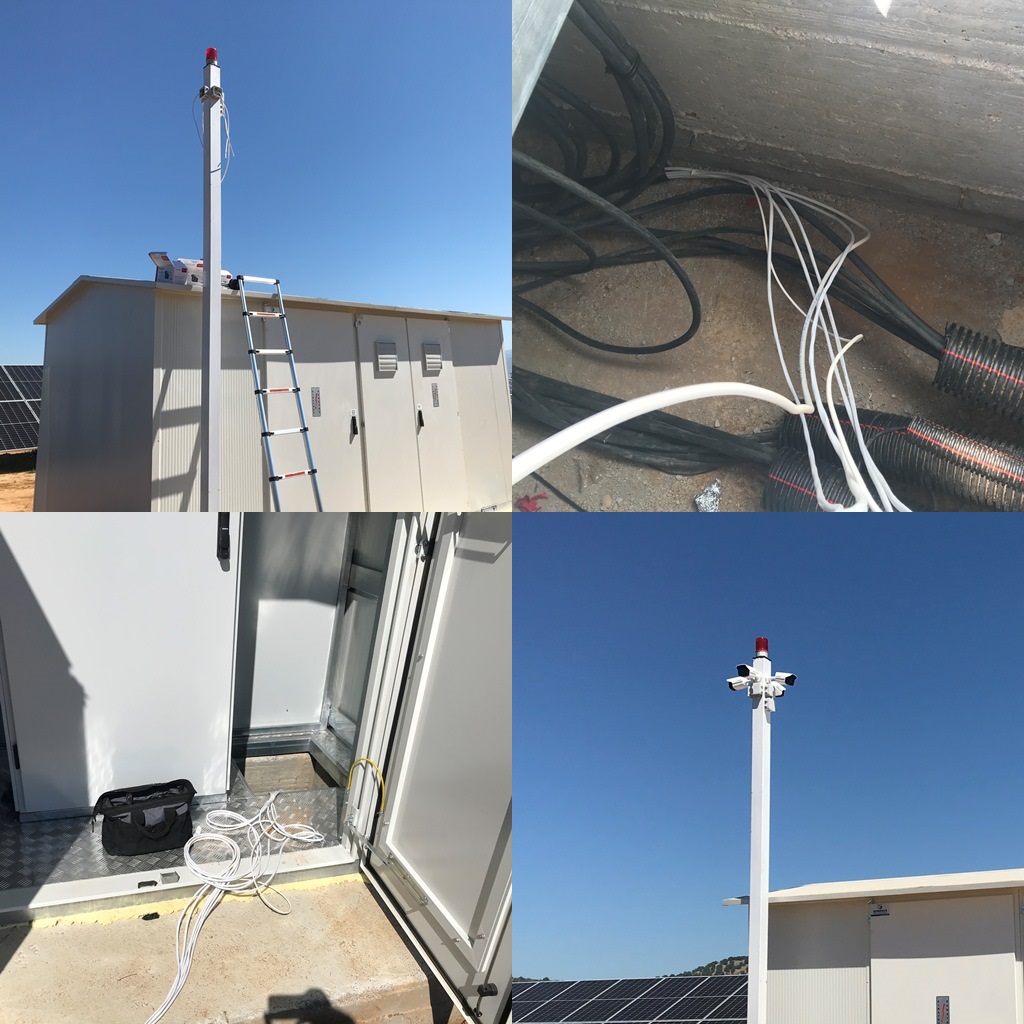
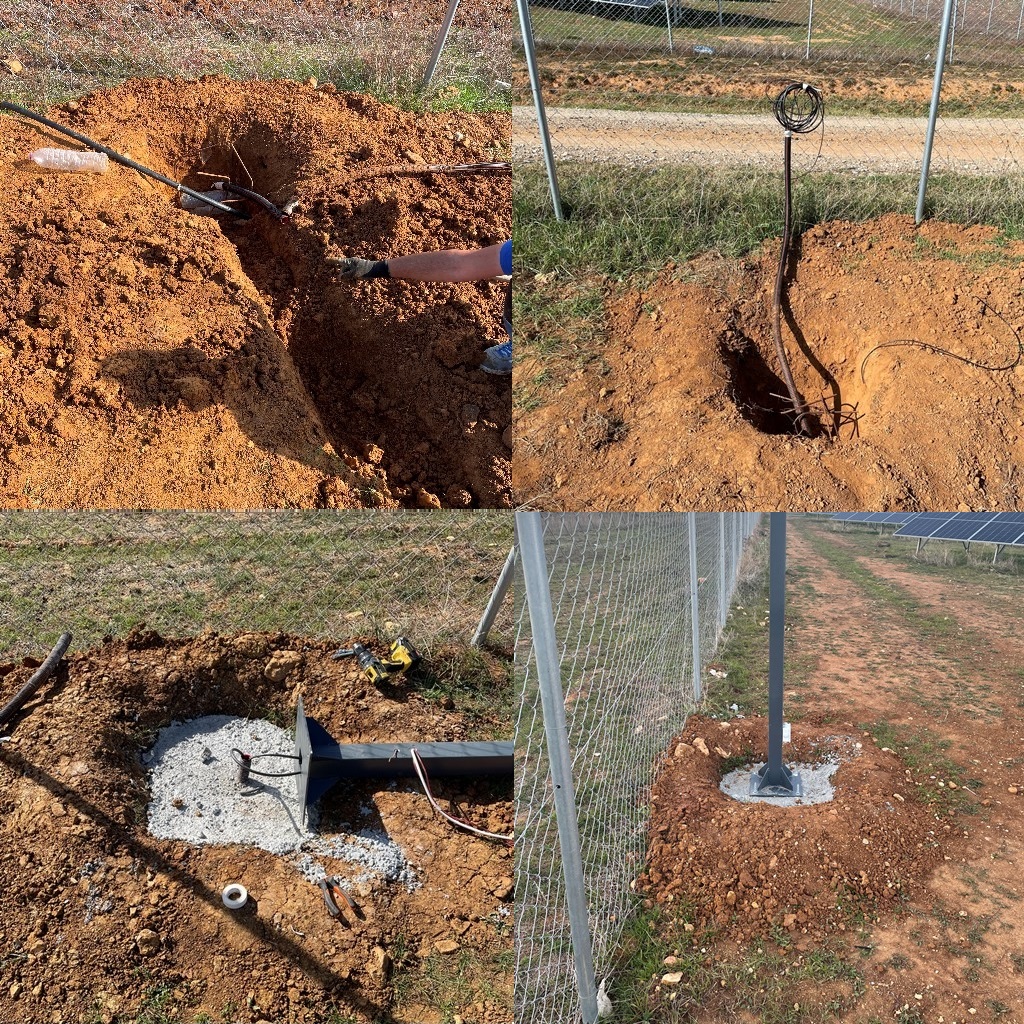
CloseIn a PV plant, all cabling must be underground, mainly at the camera installation points.
After choosing the appropriate points for placing the beams, we open the routing channel for the placement of the flexible pipe through which the necessary wiring will pass. The depth of the passage is about 50cm.
Then we create a hole approximately 50x50x50 in which, using ready-made concrete, we create the mounting base. The cables enter the column and are led to the desired exit points of the beam.
ClosePV plants are mainly located outside cities and most of the time in inaccessible places.
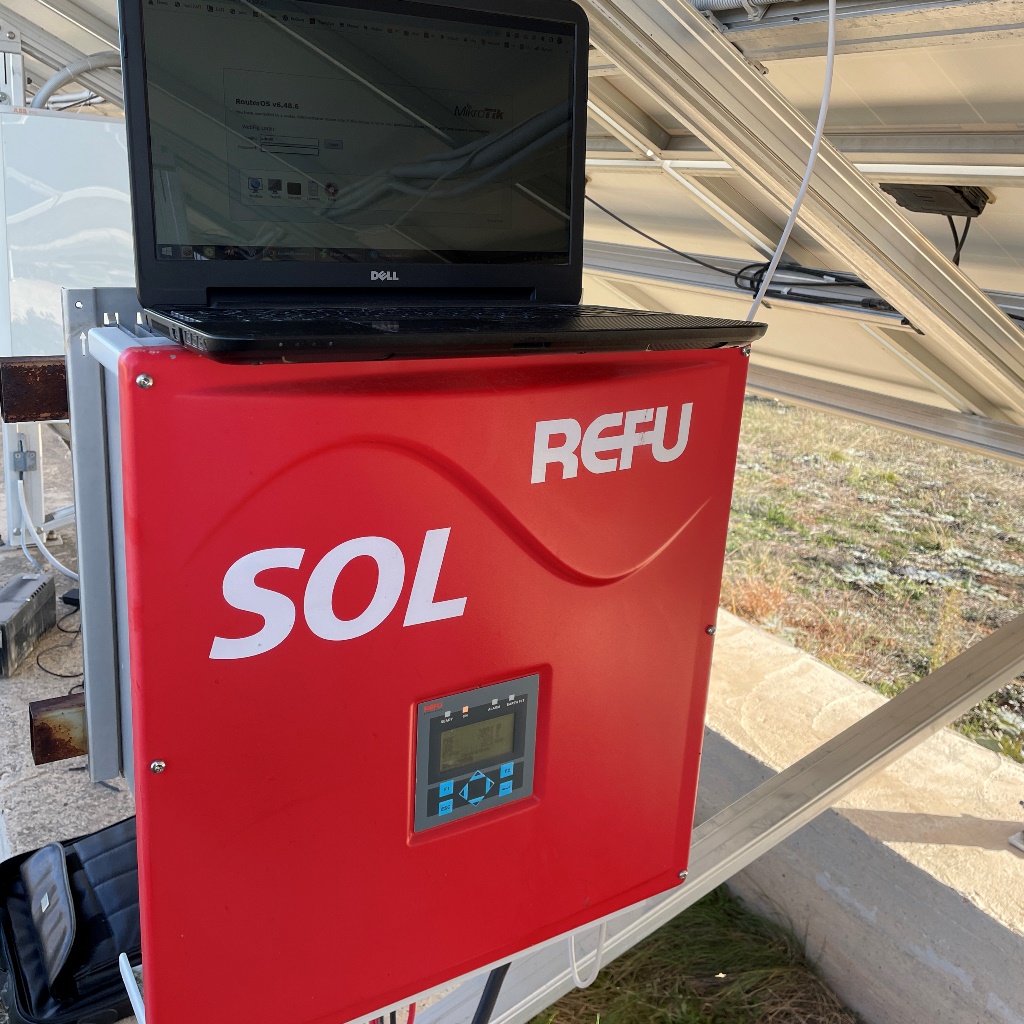
For this reason, the manufactures provide the ability of remote monitoring a multitude of data through which the correct operation of the inverters as well as the energy production in real time is checked.
This feature is called telemetry and the process of setting up and connecting the inverters to the internet is carried out by the licensed installer.
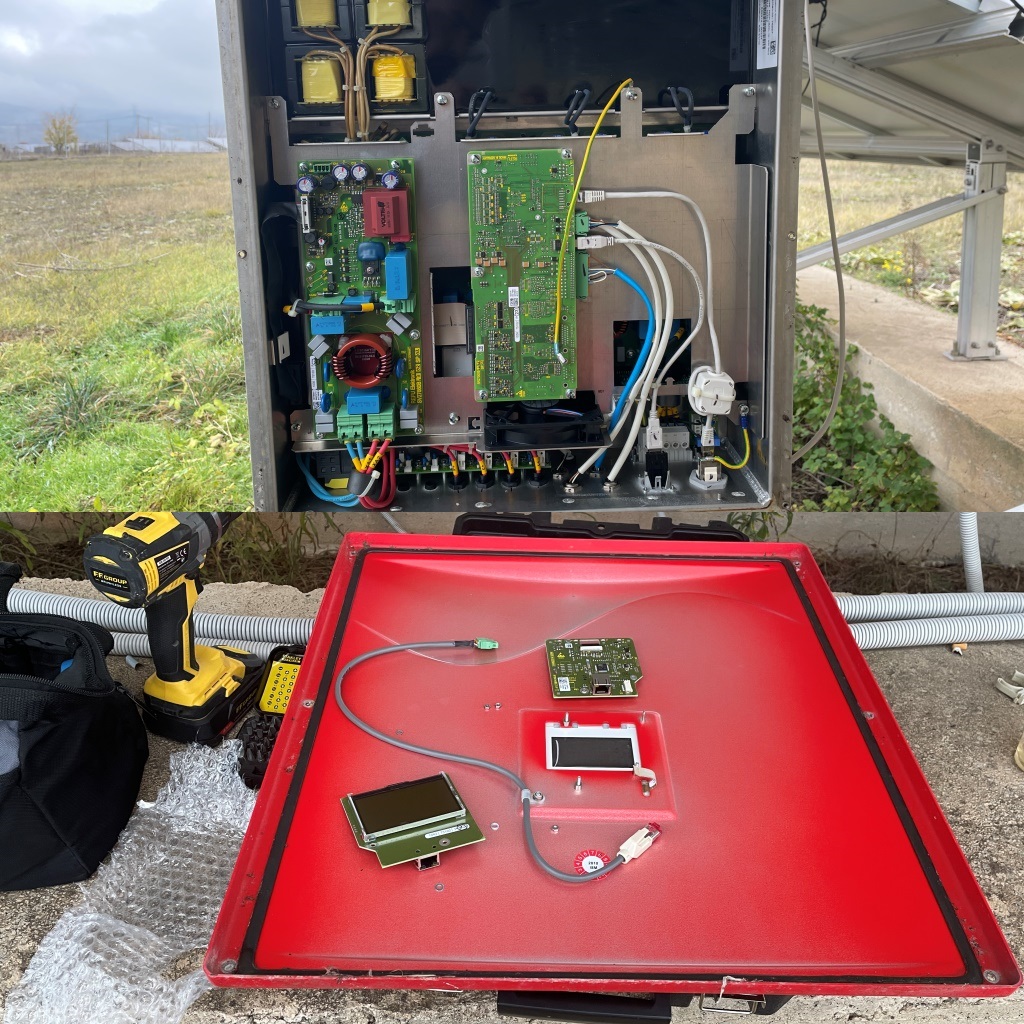
CloseThe display, even though not a vital part of the inverters, is necessary to check the correct operation of the installation. Through the display we can monitor in live time the electricity production as well as change/set the necessary variables to establish the connection with the provider's application (telemetry).
In this particular inverter, a malfunction occured with the display as a result we could not pass the new settings after changing the server of the provider. Therefore, we proceeded with its immediate replacement and the reset of the inverter.
CloseYou can contact Ubisys through email, phone call or through the provided form.